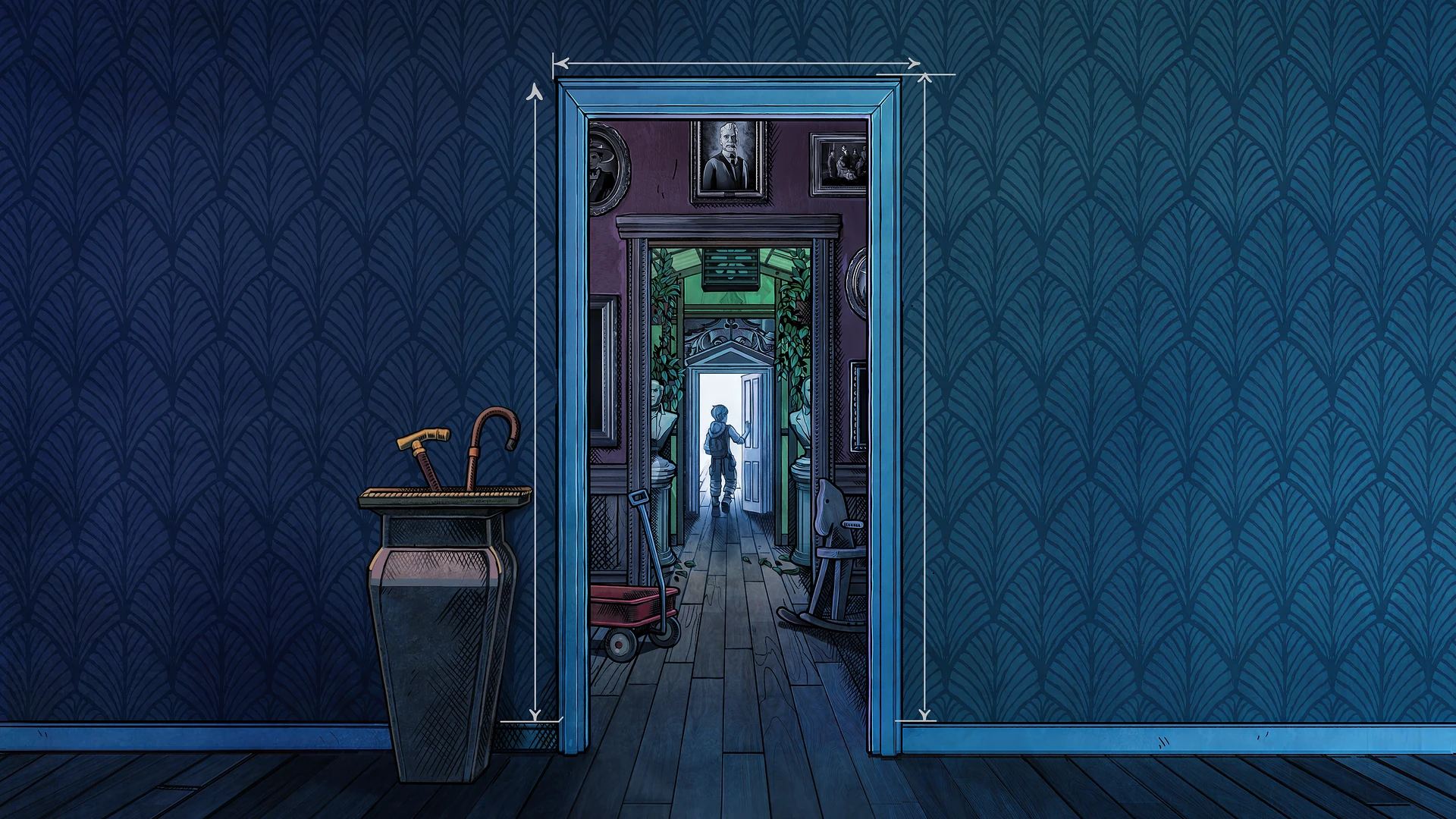
Blue Prince reached a new audience on March 3, 2026, when Raw Fury released it on Nintendo Switch 2, and a Switch 2 cartridge edition has since been announced. That new route to the game is the occasion for this article, but the subject is the experience itself: a first-person mystery in which you choose which room appears behind each door of a manor that rearranges itself every day. Player accounts here come from user reviews of the PC release and from public discussions; where discussion posters did not state their hardware, this article does not infer it. Those accounts describe what makes that premise compelling, and reactions differ on where it tests patience.
At a Glance
- Why it is surfacing now: The Switch 2 version, a new release from March 3, 2026, gives players another way in, with a cartridge edition announced for later.
- Players praise: Players single out the pleasure of uncovering secrets and the moments when scattered clues suddenly connect.
- What holds it back: Reactions differ on randomness: in the reviewed reports, some find it blocks solutions they have already worked out, while others treat managing it as part of the challenge.
Why Players Are Finding It Now
Blue Prince was already available on PC and other platforms, so its Switch 2 version is a new release on an additional system rather than a debut. Raw Fury announced it on March 3, 2026, describing the move as a way to open the game to more players, and in June 2026 it announced a Switch 2 cartridge edition made with iam8bit. That physical edition is listed for shipping in the fourth quarter of 2026, so for now it is a planned release rather than something buyers can already hold.
A new release on another system shows where the game can now be found, not how many people are finding it. Nothing in the official material establishes a surge of new players, and this article does not claim one. What the occasion does is make it a reasonable moment to ask what the game actually asks of the people who try it, drawing on user reviews of the PC release and on public discussions whose posters’ hardware was not inferred. The release changes where the game is sold; it does not change the evidence used to judge it here.
What Players Like
The praise that comes up again and again is about discovery. Players describe a house that keeps rewarding close attention, where a detail noticed on one day turns out to matter on another, and they dwell on the moments when separate observations suddenly fit together. Long-time players talk about progress that comes mainly from what they have learned rather than from stronger equipment, which is why some compare its appeal to classic puzzle games. Others say plainly that the exploration and puzzling simply turned out to be a lot of fun.
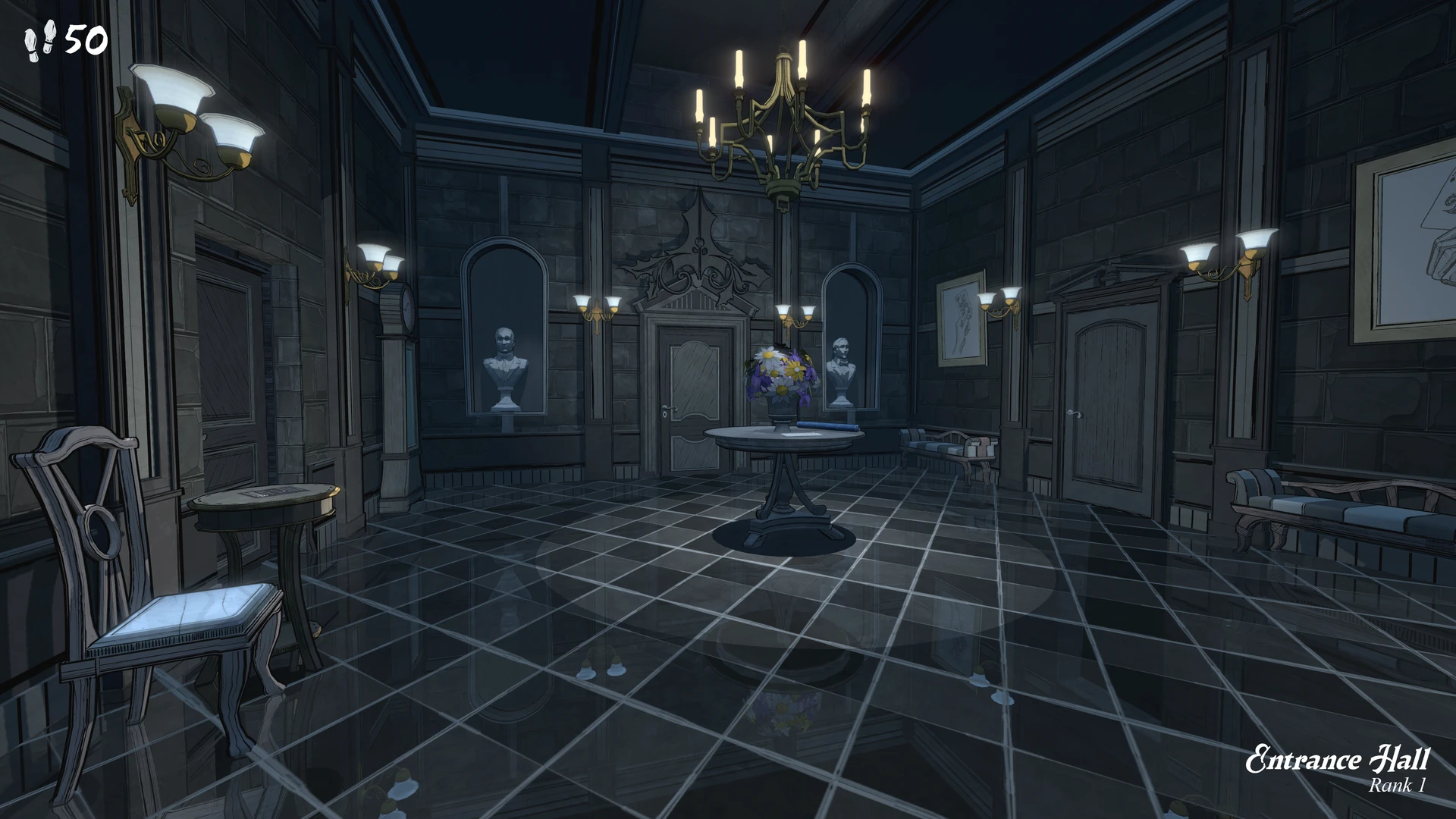
Closely tied to that is note-taking. Players who enjoy Blue Prince often describe their own records as part of the fun: notebooks filled by hand, spreadsheets that track patterns, folders of screenshots. Some solved it with a partner, comparing notes between sessions. For these players the bookkeeping is not a chore bolted on from outside but the way the game invites them to think, and newer players are advised to start keeping notes early.
Part of what makes that discovery satisfying is the structure around it. Each in-game day ends and the house is laid out afresh the next morning, so what carries forward is mostly understanding rather than a stronger character. Players who love it describe returning with a new idea to test, recognising a clue they once walked past, and feeling the shape of a larger mystery come into focus over many sessions.
What Holds It Back
Not everyone settles in quickly. Reactions differ here: some newcomers say that after several in-game days they still did not understand what they were working towards, while others say the game is a slow burn that clicks with more play. In the reviewed reports, the early runs can feel like wandering, with puzzles that are not obviously puzzles, and a few players gave up at that stage. Those who stayed often describe a turning point once they began to see how rooms and clues relate.
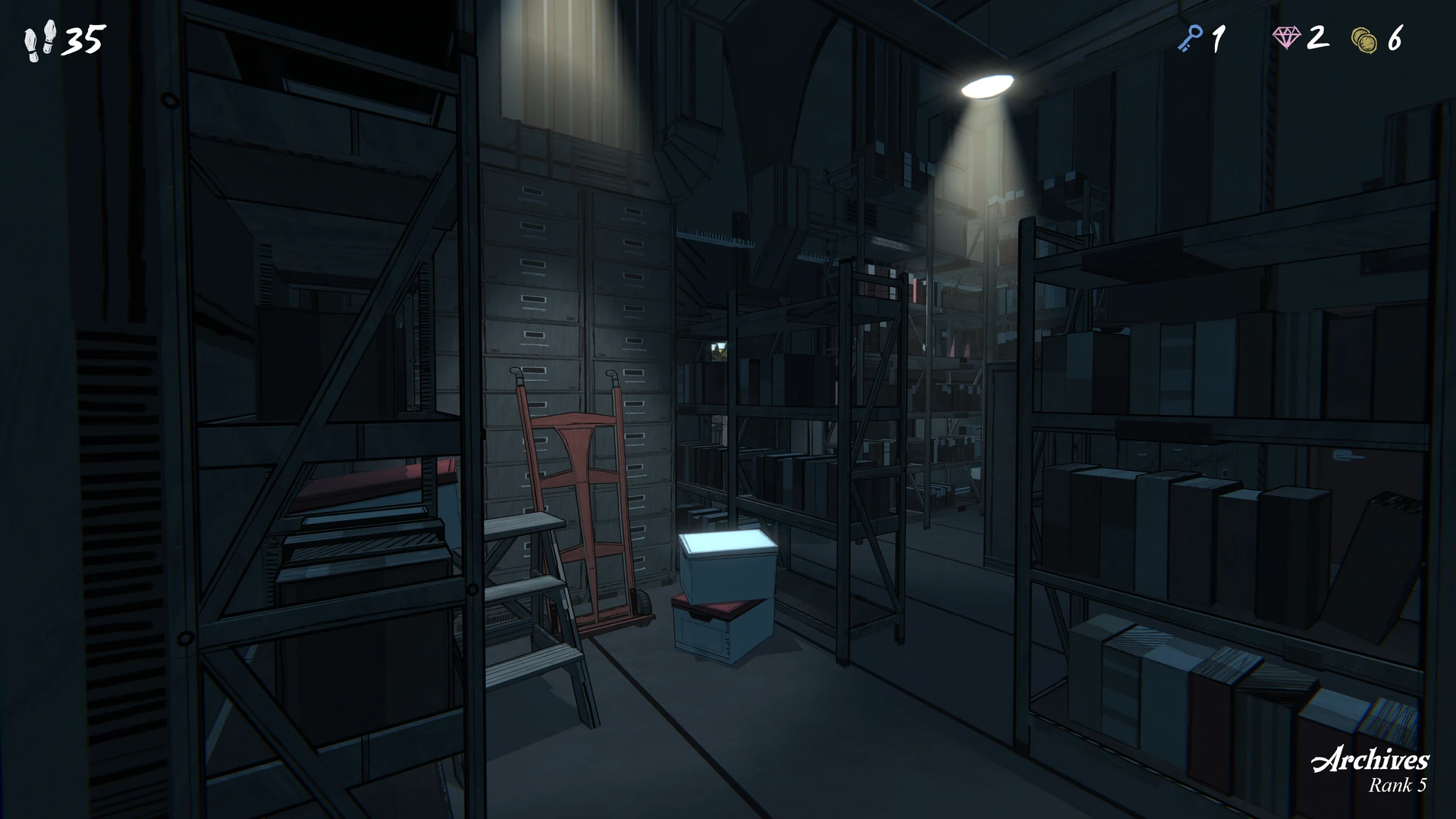
A different complaint concerns what comes later. Several critical players say the opening hours were the most enjoyable stretch, but that progress slowed as the puzzles became more obscure and harder to set up. Among those who went well past the first major goal, some say they turned to outside hints for the hardest puzzles rather than solving them unaided. This is a criticism of the deeper, optional layers rather than of the first impression, and it matters most to readers who intend to see everything the house contains. Someone deciding whether to try the game need not expect this wall in their first evenings; it is a description of where long-term play can lead.
The frustration that draws the most debate is randomness, and reactions differ. Some players say they work out what a puzzle needs, then cannot act on it until the right rooms or items appear, sometimes for many in-game days, and that the waiting turns into repetition. Others disagree, as the next section explains. In the reviewed reports, this friction is described across early and late play, though it is sharpest for players chasing one specific goal.
Where Opinions Differ
Randomness is also where opinions split most clearly. Some players see it as a flaw that lets luck override their reasoning, while others argue that planning around it is itself one of the game’s puzzles. Reactions differ even within the same conversations: a complaint about wasted runs tends to draw replies that drafting choices and the tools the game gradually reveals can narrow the odds, and those replies in turn draw objections that such tools still depend on luck.
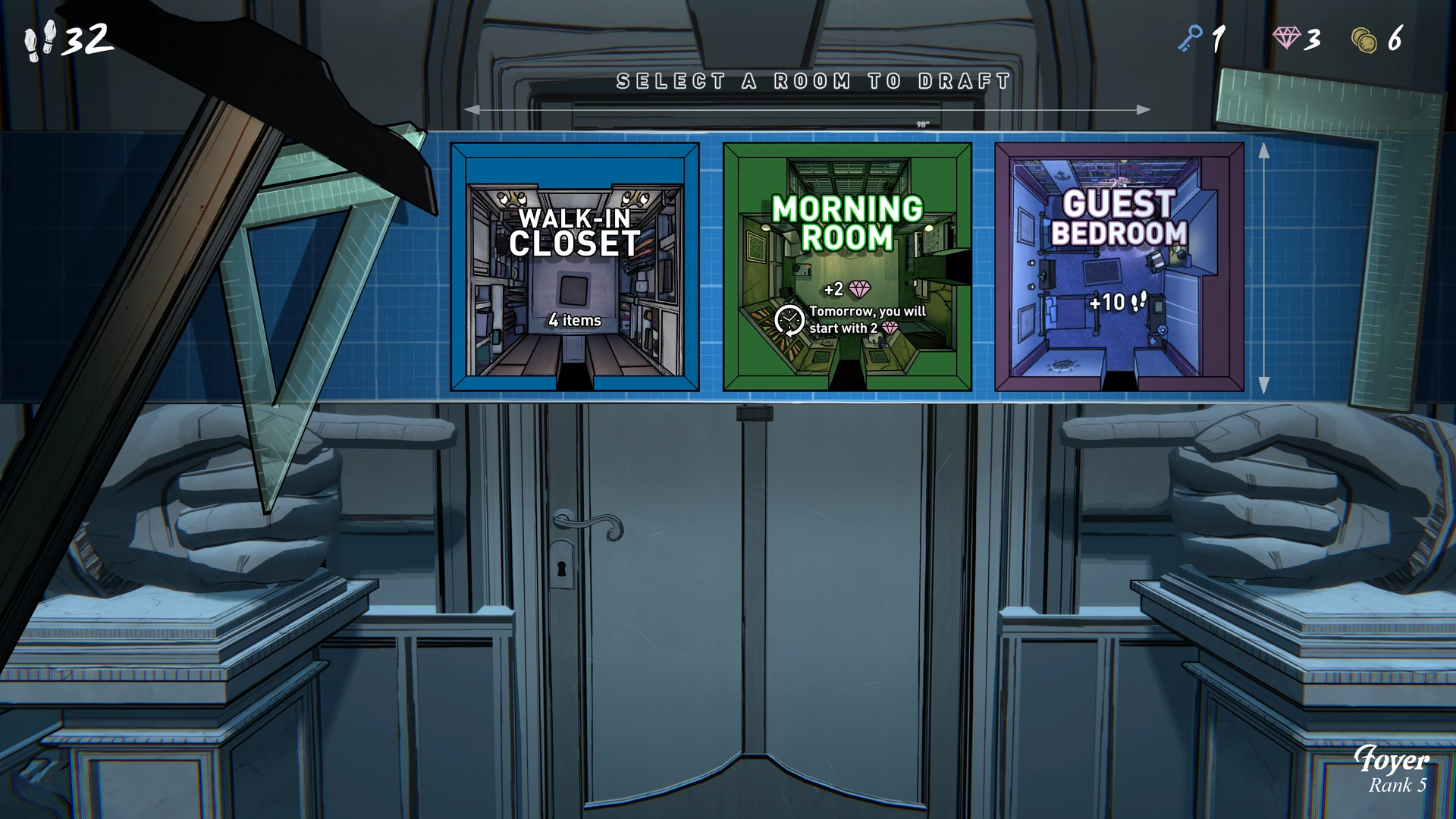
Reactions differ on what the luck adds. For some, it is part of the payoff: one player who finally reached the first major goal said the setbacks along the way made the success feel sweeter. For others, especially those deep into optional play, a long and careful setup undone by one unlucky draw is exactly what wears them down. In the reviewed reports, which side a reader falls on seems to depend less on puzzle skill than on how much they enjoy uncertainty as part of a puzzle.
Reactions differ partly with play style. Some players who chase a single objective describe long stretches of waiting, while others suggest keeping several open goals at once so that bad luck on one matters less. In the reviewed reports, neither approach removes the randomness, but they change how much of a session it seems to consume.
Who This May Be For
Blue Prince looks best suited to players who enjoy noticing small details, connecting them over many sessions and being surprised by what they had overlooked. It also suits people who like keeping their own notes, alone or with someone else, because that habit is part of how its admirers describe the fun.
Readers who prefer clear objectives from the start, or who want every solved idea to pay off at once, may find the early stretch slow and the waiting harder to accept. Its admirers tend to be those who treat discovery itself as the reward and are content to keep a record of what they learn.
It can also work as a shared puzzle. Some players describe solving it with a partner, taking turns or watching each other’s runs and pooling their notes, which suits households or friends who enjoy talking a mystery through together rather than racing through it alone.
What to Know Before Trying
On PC, Blue Prince launched on April 10, 2025 and is sold through Steam for Windows and Mac. Raw Fury announced on June 3, 2026 that it is Steam Deck Verified, which matters for anyone who would rather play on a handheld PC.

Each run represents a single day in the manor. As Raw Fury describes it, you decide which room appears behind each closed door you reach, and the floor plan resets with every new day. Expect to spend many days learning how rooms fit together before longer-term goals start to open up.
Patch 1.7, released on April 29, 2026, focused on accessibility. It added color assist for players who find some colors hard to tell apart, key and button remapping for keyboard and controller, and options for the cursor.
The Switch 2 version has been available digitally since March 3, 2026. The announced cartridge edition is a planned release listed for shipping in the fourth quarter of 2026. The player accounts above come from user reviews of the PC release and from public discussions, not from a Switch 2-specific sample. Discussion posters’ hardware was not inferred, so Switch 2 performance and control remain outside this article’s evidence.