Valve Steam Deck OLED in 2026: What Owners Value, What Gives Pause
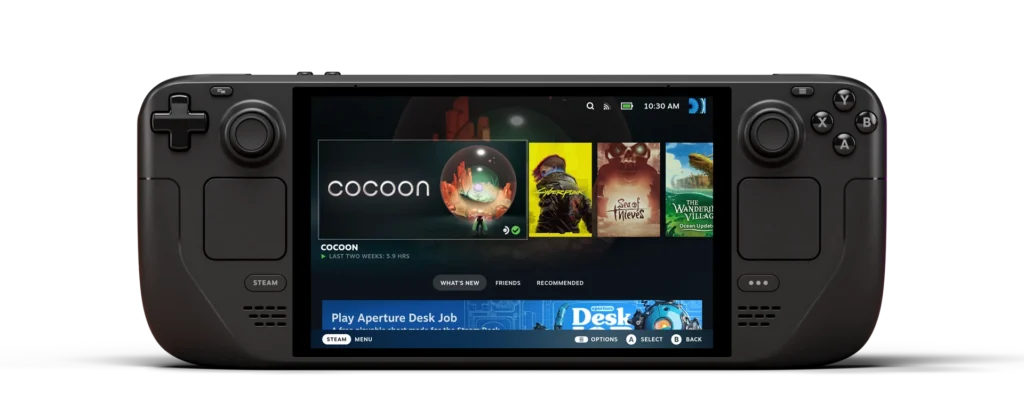
Steam Deck OLED from the front, with the home screen, both thumbsticks, the D-pad, ABXY buttons and both trackpads. — Valve
Valve raised the price of Steam Deck OLED on May 27, 2026, citing memory and storage costs, which makes this a sensible moment to look again at what owning one is actually like. This analysis covers the OLED model only, in its 512GB and 1TB configurations, and separates Valve’s specifications from what owners report, drawing only on Valve’s documentation and published owner accounts.
Verified Specifications and Scope
Valve sells the OLED model in two standard configurations. The 512GB version has a glossy screen; the 1TB version adds premium anti-glare etched glass, and Limited Edition units are 1TB models. Storage is not the only difference between them, so the screen finish is part of the buying decision.
Both use a 7.4-inch 1280 x 800 HDR OLED display that runs at up to 90Hz, rated by Valve at 1,000 nits peak in HDR and 600 nits in SDR. Valve gives the weight as about 640 grams.
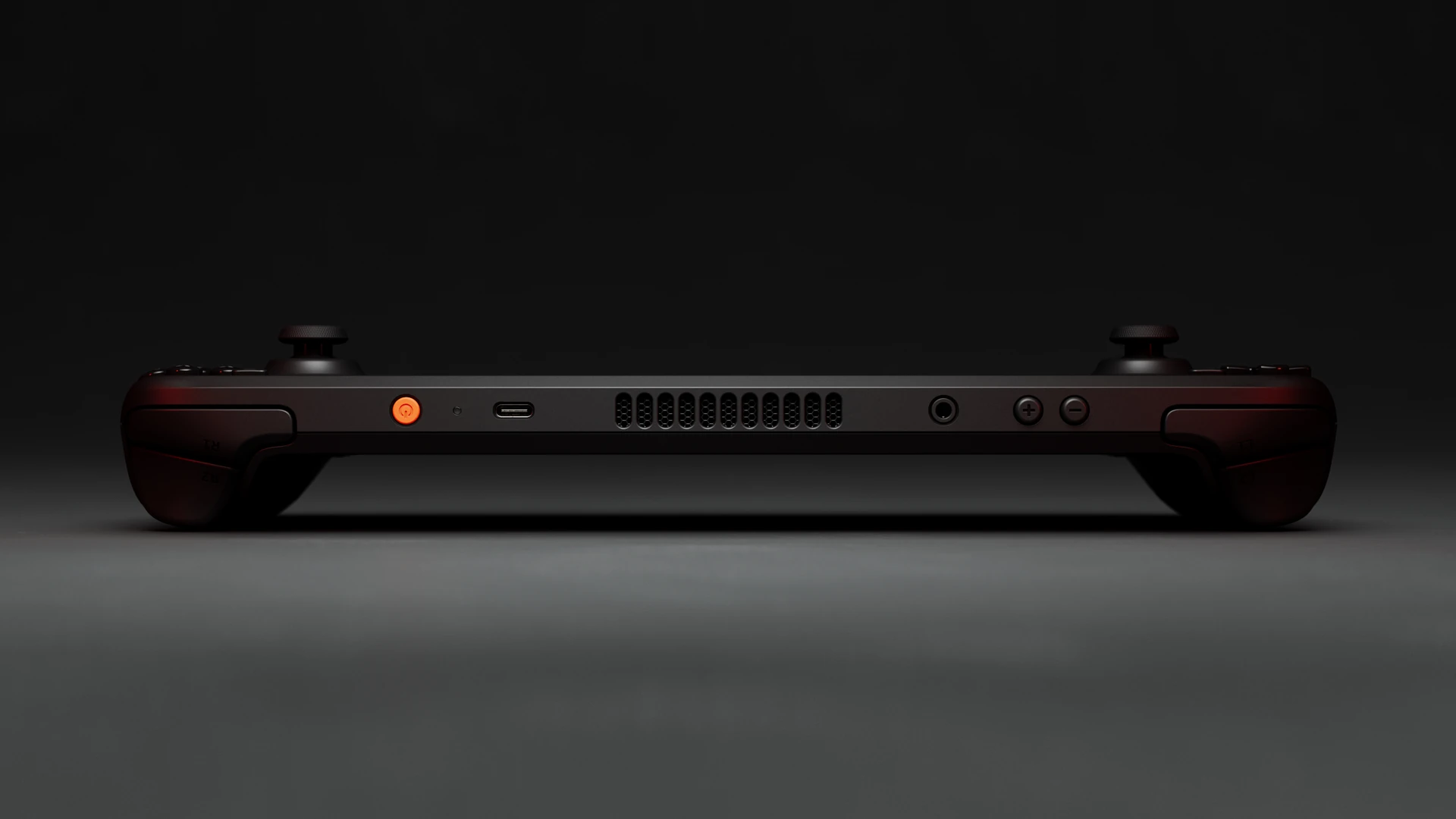
Valve lists a 50Whr battery and 3-12 hours of gameplay depending on the content, compared with 40Whr and 2-8 hours for the LCD model. That range is Valve’s estimate across different games, not a measured result for any particular title.
On May 27, 2026, Valve raised prices for both models: the 512GB model to USD 789, EUR 779 or GBP 649, and the 1TB model to USD 949, EUR 919 or GBP 779, with VAT included where applicable. These are Valve’s announced prices on that date; prices in other regions, taxes and shipping vary.
Valve’s store also warns that the OLED model may be out of stock intermittently in some regions because of memory and storage shortages.
What Owners Report
The screen is what owners mention first. In the reviewed reports, some who use the OLED model describe its contrast and the 90Hz mode as a clear step up, while an owner who also has an LCD unit says the older screen still looks good for everyday play. Reactions differ most for people who already use OLED phones or TVs and for games without many dark scenes.
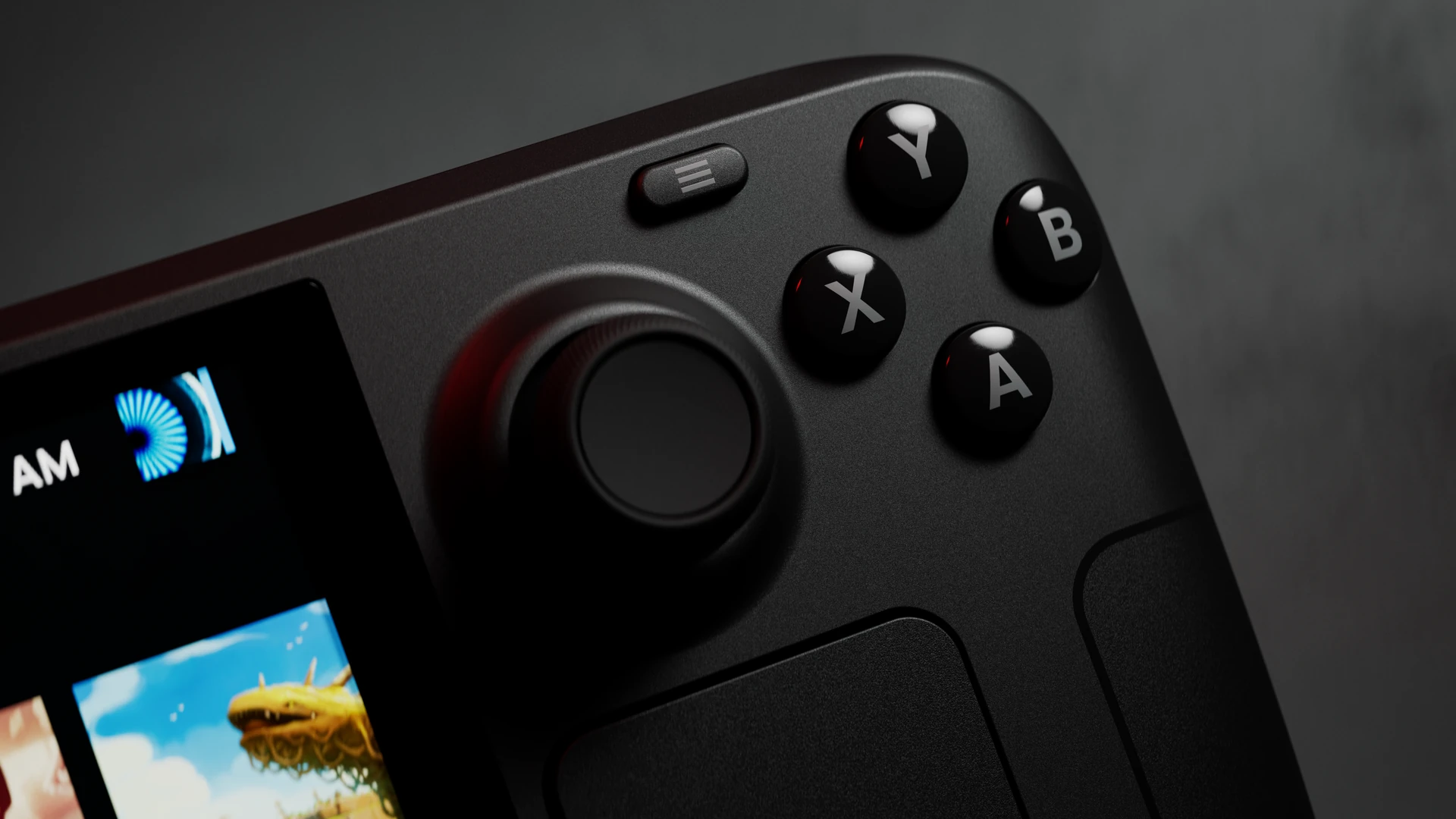
The two screen finishes divide owners. In the reviewed reports, some owners of the etched-glass model say it is far easier to see in bright rooms, on trains and outdoors, while others choose the glossy model for viewing in dark rooms and its lower price. Reactions differ, and no clear winner emerges.
Battery life is the other recurring theme. In the reviewed reports, owners describe longer play than on the LCD model and a large gap between light and demanding games, but their figures are rough estimates without stated settings, not measurements.
Owners also stress software. In the reviewed reports, some say the experience depends on games being rated Verified or Playable and on accepting a little setup, and praise quick resume, while others warn that buyers expecting desktop-level performance or certain anti-cheat games have been disappointed.
The 2026 price has changed the tone of buying advice. In the reviewed reports, some owners and would-be buyers say the increase makes it a harder purchase to justify, while others still value it for portable play and battery life.
What the Evidence Supports
Valve’s own compatibility labels are the most useful check. It rates games Verified, Playable, Unsupported or Unknown, notes that Playable games may need manual tweaking, and keeps tested ratings the same for LCD and OLED models. A buyer whose library is mostly Verified or Playable is in the situation owners describe most positively.
Taken together, the evidence points to a device that suits people who play away from a desk, value the screen and want longer sessions than the LCD model allowed. In the reviewed reports, some owners are frustrated when they expect desktop-level performance or specific anti-cheat games, while others are content with setup that resembles a small PC more than a console.
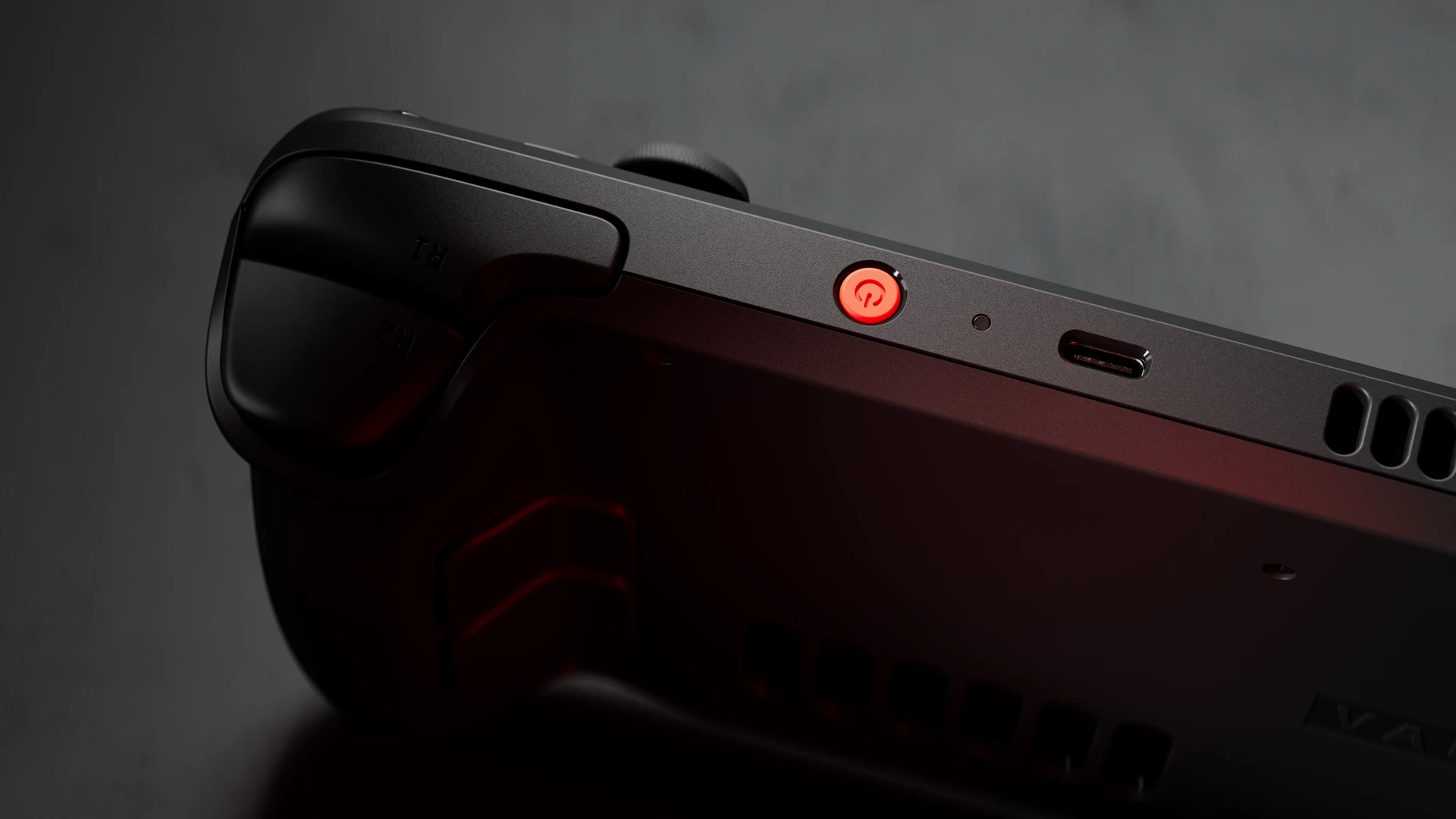
Between the two configurations, the choice is less about storage than about where you play. In the reviewed reports, some etched-glass owners value it in bright places, while others prefer the glossy screen indoors and in the dark. Reactions differ, so a buyer’s usual lighting matters more than a general verdict.
Research Scope and Limitations
Before buying, check the current price and stock for your region on Valve’s store. The May 27, 2026 figures of USD 789 and USD 949 apply to the United States on that date, and Valve notes intermittent regional shortages.
Also check each game you care about on Valve’s compatibility list rather than assuming every title runs, and decide whether you need the 1TB model’s etched glass or would rather keep the glossy 512GB screen.
Research Notes
- Official information verified
- October 13, 2026 (UTC)
- Opinion research cutoff
- October 13, 2026 (UTC)
- Product and variant
- Valve Steam Deck OLED / OLED (2023) / 512GB glossy and 1TB anti-glare etched configurations
- Product conditions
- Handheld use on SteamOS; owner reports rarely state settings, frame caps or exact configuration.
- Research limitations
- Owner accounts come from a bounded set of public discussions from November 2023 to August 2026; many posters do not state their configuration, settings or how long they have owned the device, and runtime figures are estimates. Prices are Valve's May 27, 2026 announcement figures, not live prices for every region. No GWI hands-on testing or independent measurement was used. Weight and comfort, durability and repair were not assessed. No affiliate or sponsored relationship applies to this article.