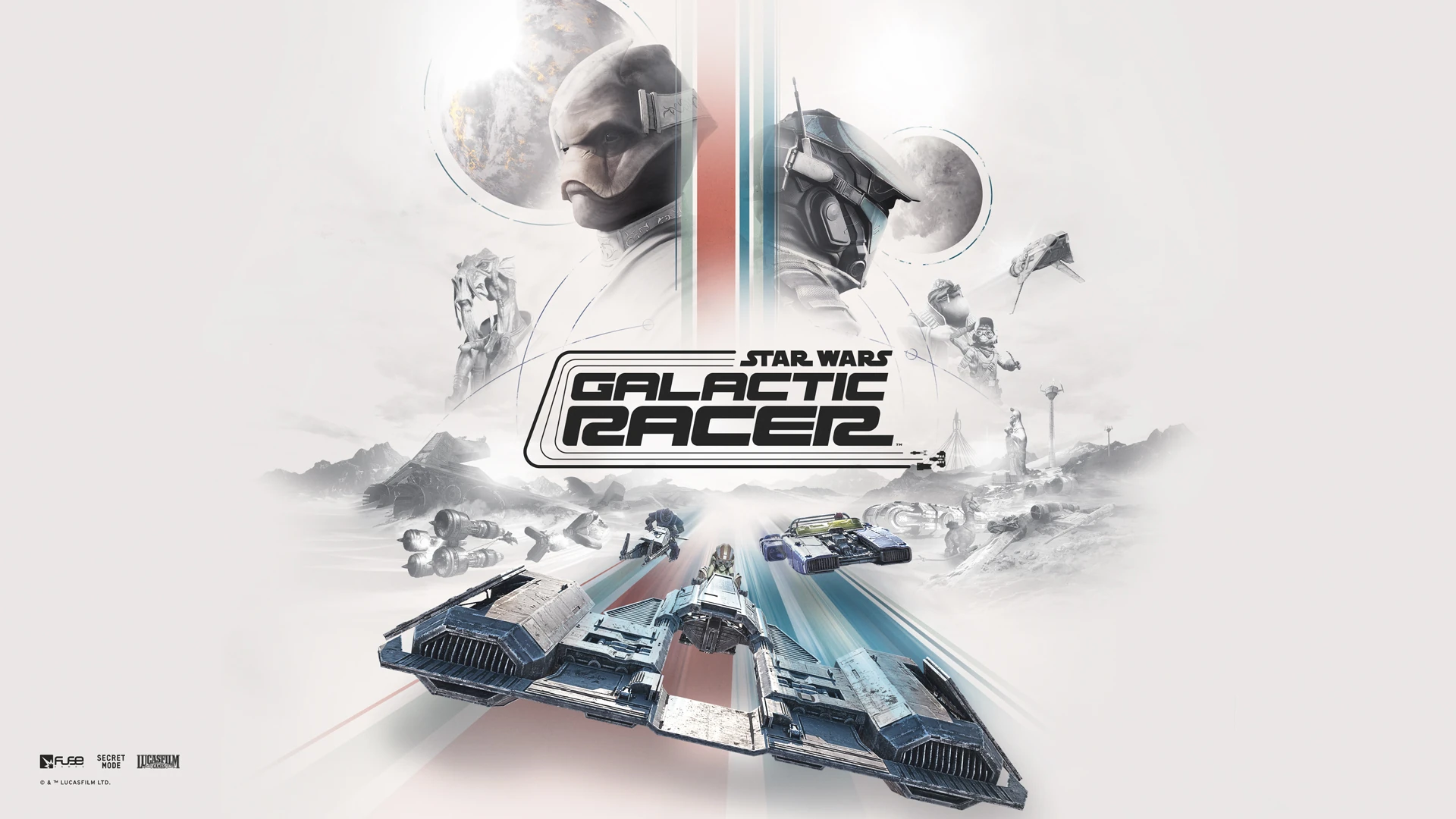
STAR WARS: Galactic Racer turns arcade racing into a cycle of risky runs, upgrades and another attempt. In the post-release accounts reviewed, the speed and physical racing are recurring attractions, while motivation to repeat the campaign varies with preference and progress. This synthesis separates the official design from reported player experience, rather than treating a familiar setting as a verdict on the released game. Reactions differ on how long that cycle remains rewarding.
At a Glance
- Players praise: Speed, physical racing and the motivation to try another run.
- Players criticize: PC Steam multiplayer: reviewed accounts want more freedom to arrange custom races with friends.
- Players disagree about: Reactions differ on how motivating repeated campaign runs remain.
What Players Like
The most consistent attraction in this sample is the feeling of racing itself. Players describe speed as exciting rather than merely an impressive visual effect, and connect that excitement to drifting, boosts and contact with opponents. An arcade-racing enthusiast emphasizes tight branching routes and collisions; another account appreciates the sense of speed during repeated races. These are descriptions of how the game feels to those players, not a performance benchmark or a claim that every control scheme will feel equally natural.
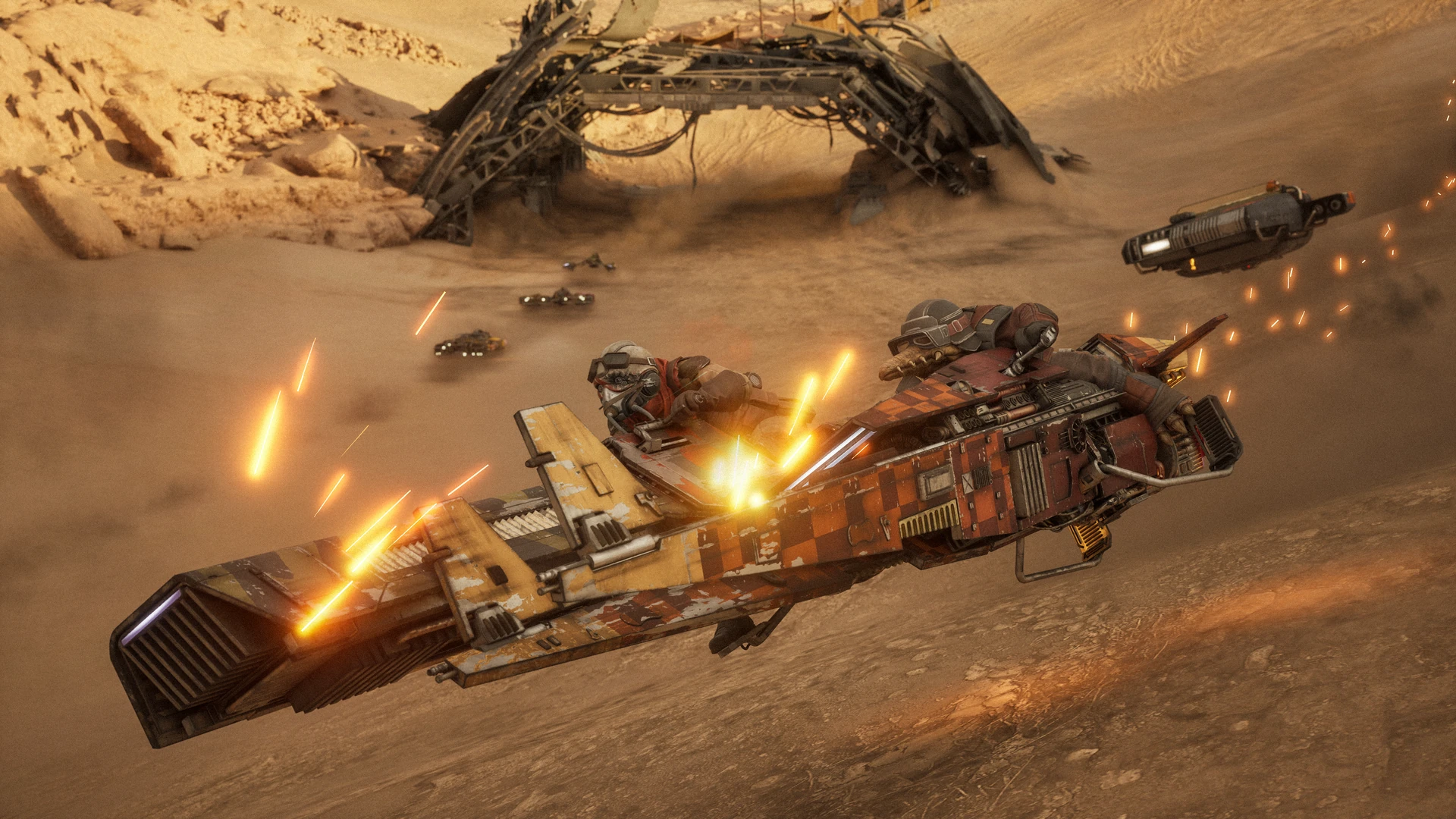
The campaign structure also has supporters who see repetition as useful. One account makes the connection directly: racing the routes again helps them learn the tracks. Another describes looking forward to the upgrades and unlocks after a failed attempt. The appeal is more specific than simply enjoying extra content. These players like having another reason to return to the same racing challenge, with knowledge or options that make the next attempt feel different. That is an early-play motivation, rather than proof of unlimited long-term variety.
Together, the reviewed praise points toward a racer whose moment-to-moment pressure and willingness to ask for another attempt can reinforce each other. It is possible to enjoy a failed run because the racing was entertaining and because there is something to take into the next one. That helps explain why enthusiastic accounts describe returning quickly instead of treating defeat as wasted time. The sample supports that particular appeal; it does not establish how common the reaction is among everyone who bought the game.
What Players Dislike
PC Steam multiplayer is the scope of the repeated criticism here: two reviewed experiences want more freedom to organize races with friends. PC Steam custom-game restrictions disappoint one player who otherwise praises the handling and speed, while another account objects to the limits on a larger friend group. The PC Steam concern is about choosing the company and format of a race, rather than evidence that multiplayer is absent. For PC Steam, these accounts support a narrow description of frustration with organizing a session; PC Steam reports do not establish how frequently the problem affects other players. PC Steam experiences also cannot establish the corresponding console feature state, and neither account identifies an installed microbuild.
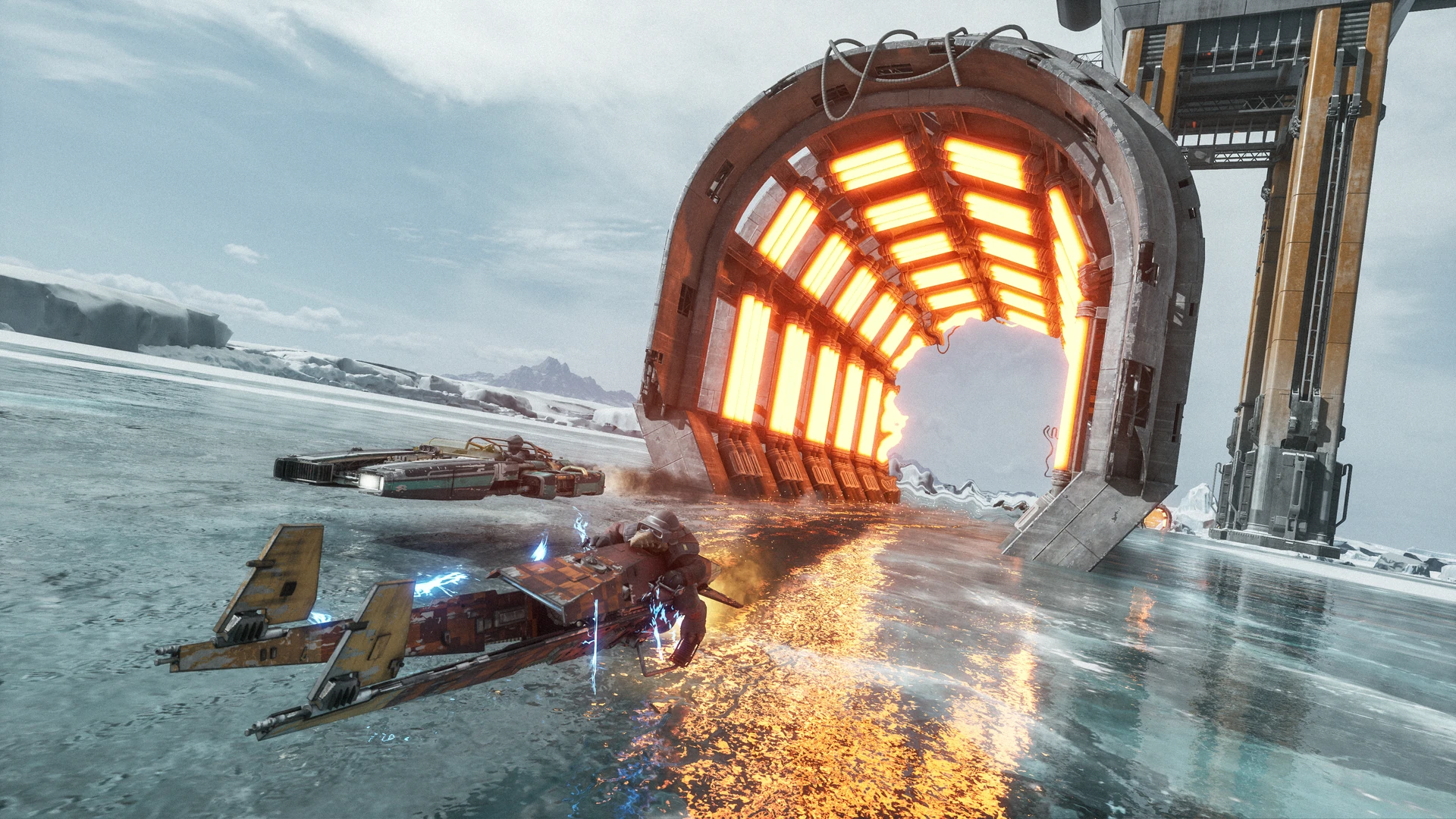
PC Steam racing with familiar friends and PC Steam competition against an available field are different preferences, so an enjoyable race can still leave the desired social format unsatisfied. For PC Steam, the reviewed criticism should not be broadened into a verdict on every online event or on the quality of every multiplayer session. For PC Steam, anyone seeking a particular group arrangement would therefore need to check the currently available options, especially if those options are the main reason they are considering the game. The PC Steam evidence does not verify a universal feature absence, a later patch outcome or a promise that an update will deliver the requested format.
Where Opinions Differ
Reactions differ on what repeated campaign play gives back. Supportive accounts describe track learning and upgrades as reasons to continue. A completed player, however, wants an escalating challenge beyond repeating story content. These are not identical stages of play: an early unsuccessful run and replay after completion can create different expectations. The disagreement is about the incentive to return, not evidence that the game contains no activities after its story. It is also too early for this small sample to establish a stable retention pattern. A positive account from someone still working through the campaign is not directly interchangeable with a completed player looking for a new goal. The available contrast is useful as a difference in motivation, but it does not show a change in attitude by the same person. Returning after completion and persisting through a failed attempt remain separate experiences in the internal evidence.
Who This May Be For
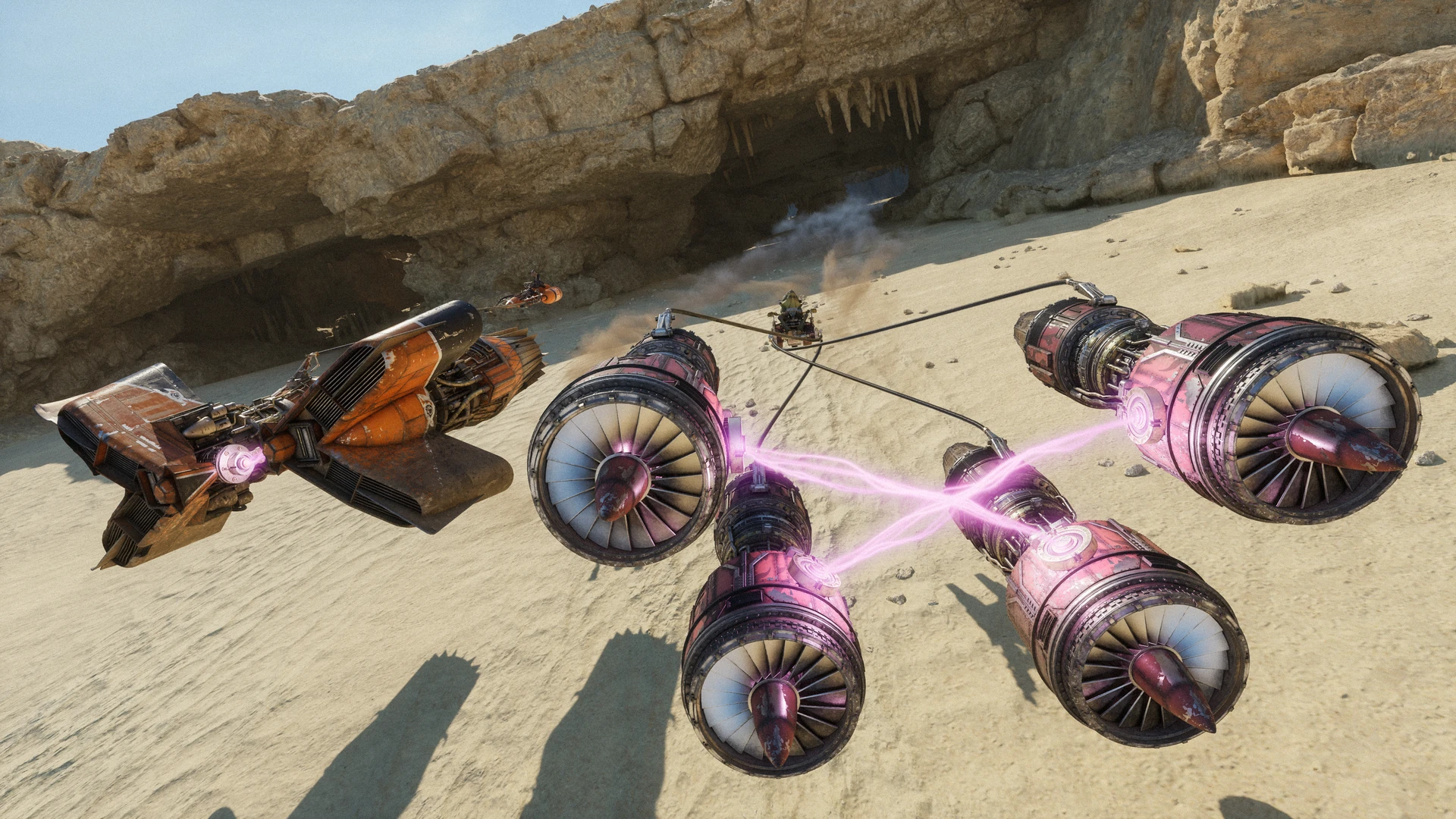
The strongest evidence of fit is for players who want physical arcade racing and do not mind learning through repeated attempts. The accounts enjoying boosts, collisions and another campaign run provide a concrete basis for that preference match. This is not a blanket recommendation for every Star Wars fan. The useful question is whether a fast race remains satisfying when it is part of a longer cycle of attempts, rather than whether the familiar setting alone is enough. Treat this as a preference match rather than a prediction of satisfaction. Enjoying the racing during early attempts does not demonstrate that the same player will want to repeat the campaign indefinitely, or that another player will value the progression in the same way.
What to Learn More About
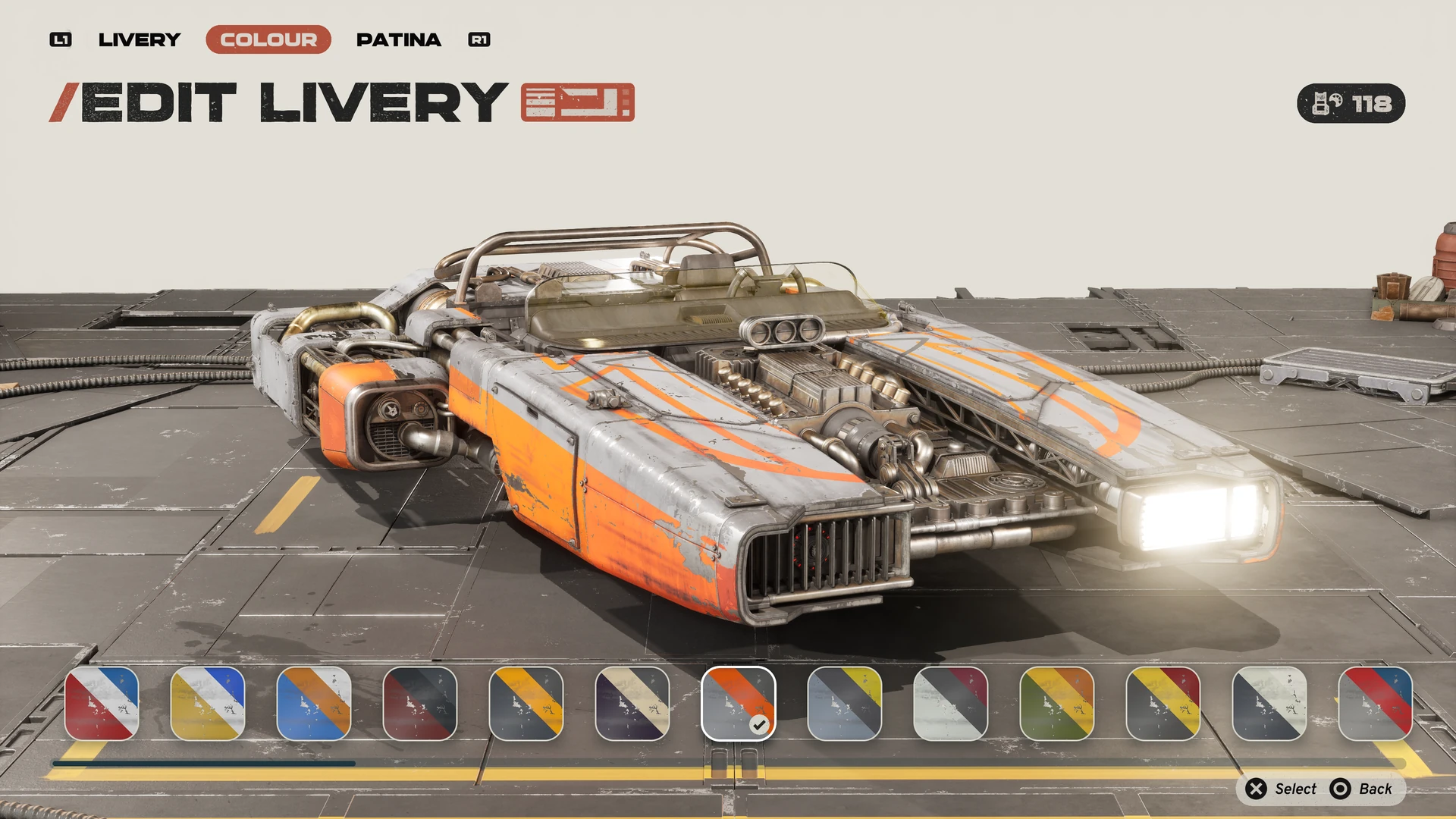
For a closer look at what is being offered, start with the official description and the Launch Trailer above. Secret Mode presents a runs-based racing adventure with a campaign, multiplayer and distinct repulsorcraft classes. Those official descriptions establish the intended design and scope; they do not validate the positive or negative experiences in this article. Checking the mode that matters to you is more useful than assuming the game is a straightforward continuation of an older racer.
The publisher announced the launch for PS5, Xbox Series X|S and PC, and the official game homepage now presents it as released. The launch context is important, but it should not erase differences between platforms or individual setups. This sample is not a comparative console-and-PC test. In particular, a subjective complaint about racing options is different from a verified technical result, and neither should be silently applied to every platform.
At the research cutoff, the official patch-notes page states that no patch has yet been released. Treat that as the status of the reviewed official page, not a guarantee about every installed version. Future changes to race options or progression would need fresh verification and fresh player evidence. Until then, the reactions here describe the observed launch window, and expectations about future fixes remain expectations.