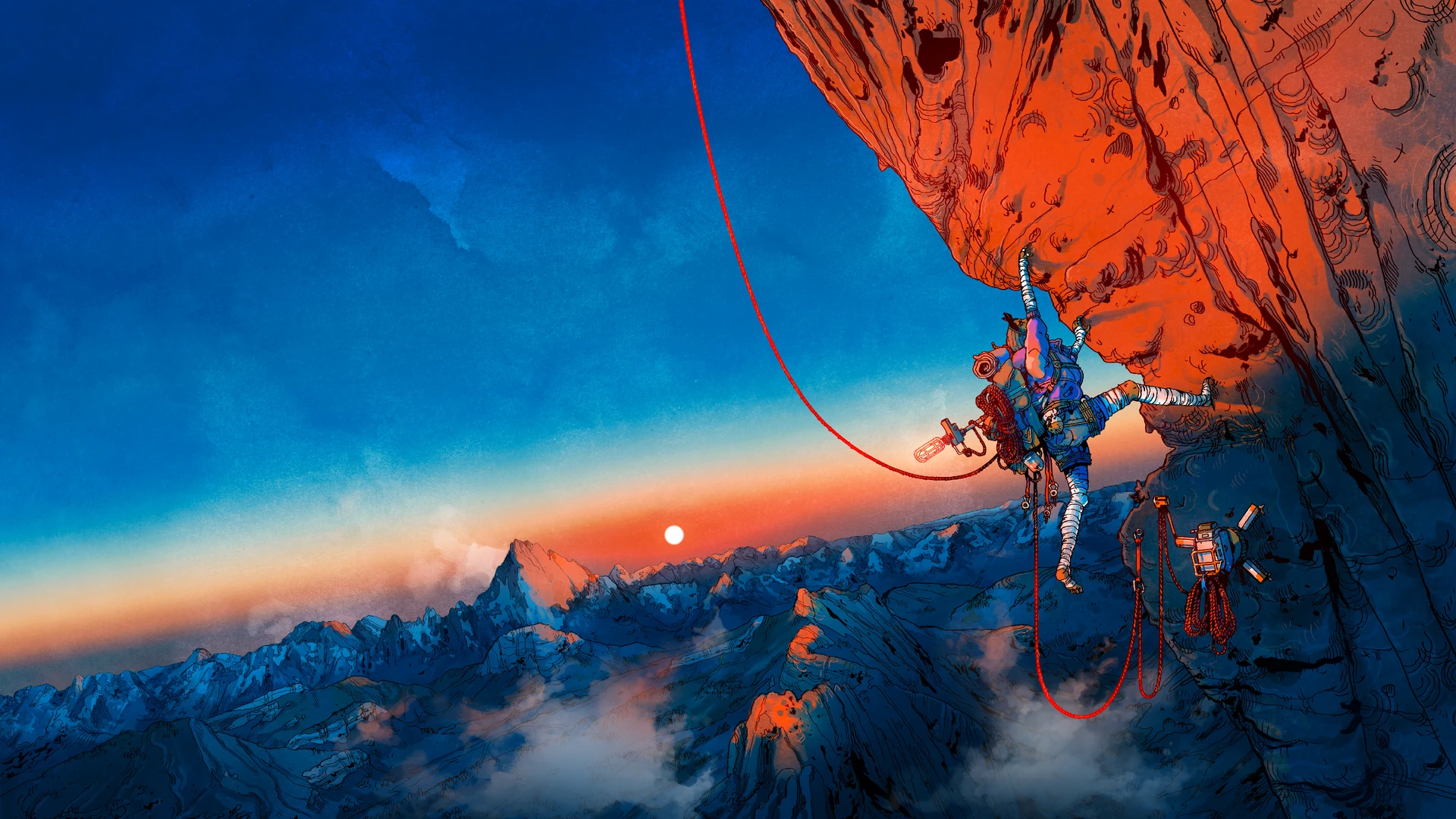
Cairn, the climbing-survival game from The Game Bakers, puts players on the walls of Mount Kami as the alpinist Aava and asks them to choose every hold on the way up. It launched on PC and PlayStation 5 on January 29, 2026, and with a Nintendo Switch 2 version and a free DLC now announced, this is a good moment to look at what players have found in it: what makes the climbing rewarding, what makes it frustrating, and who seems most likely to enjoy the ascent.
At a Glance
- Why it is surfacing now: The Game Bakers announced a new port to Nintendo Switch 2 for early 2027 and set October 29, 2026 for a free DLC.
- Players praise: Players who enjoy Cairn say reading the wall and planning a route makes each successful climb feel earned.
- What holds it back: In the reviewed reports, some players say automatic limb selection moves the wrong limb at the worst moment, while others say careful climbing or manual modes help.
Why Players Are Finding It Now
Cairn has new reasons to surface this autumn. In September 2026, The Game Bakers announced a new port to Nintendo Switch 2 for early 2027 and set October 29, 2026 for On the Trail: Deep Water, a free DLC that arrives with a free Free Roam update. Neither is available yet, so this article looks at the game as it stands on the platforms where it has been sold since January, drawing on months of player accounts rather than first impressions.
What Players Like
Players who praise Cairn keep coming back to the climbing itself. They describe scanning a wall for cracks and ledges, committing to a line and adjusting when it fails, with Aava’s arms and legs placed one move at a time and her stamina shown through her breathing and shaking limbs rather than a meter. Several say this turns a hard wall into a puzzle they solved rather than a path they were handed, and that reaching a ledge after a long, tense pitch feels earned. One player writes that balancing stamina, hunger and thirst even sparked an interest in real climbing.
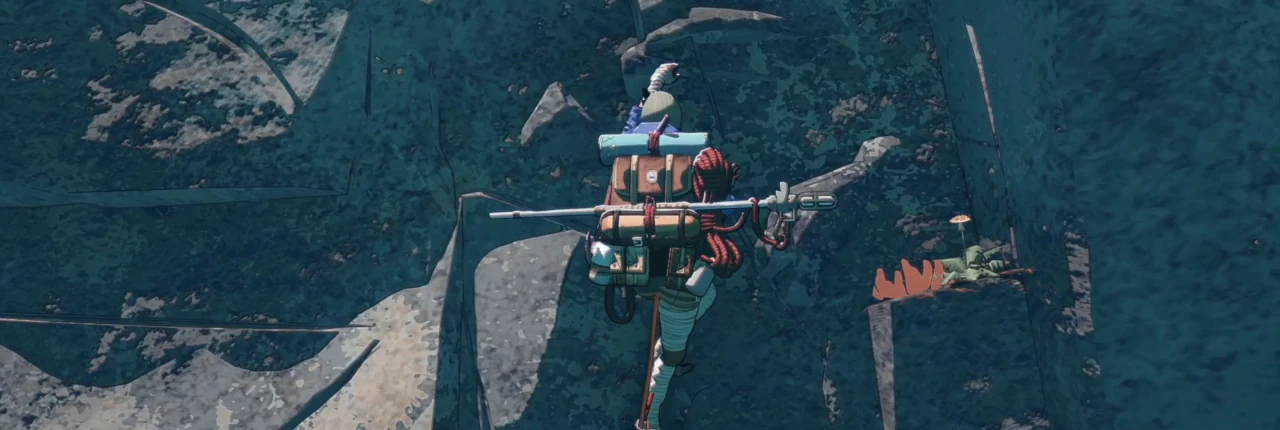
Exploration is the second thing players single out. They describe secrets, hidden places and traces of earlier expeditions tucked away from the main ascent, and one player recalls an optional climb to the top of a dome that lights up the remaining villages of the mountain’s troglodyte people. Players who finish the climb point to very difficult optional walls, a second ending and the Free Solo challenge as reasons to go back up.
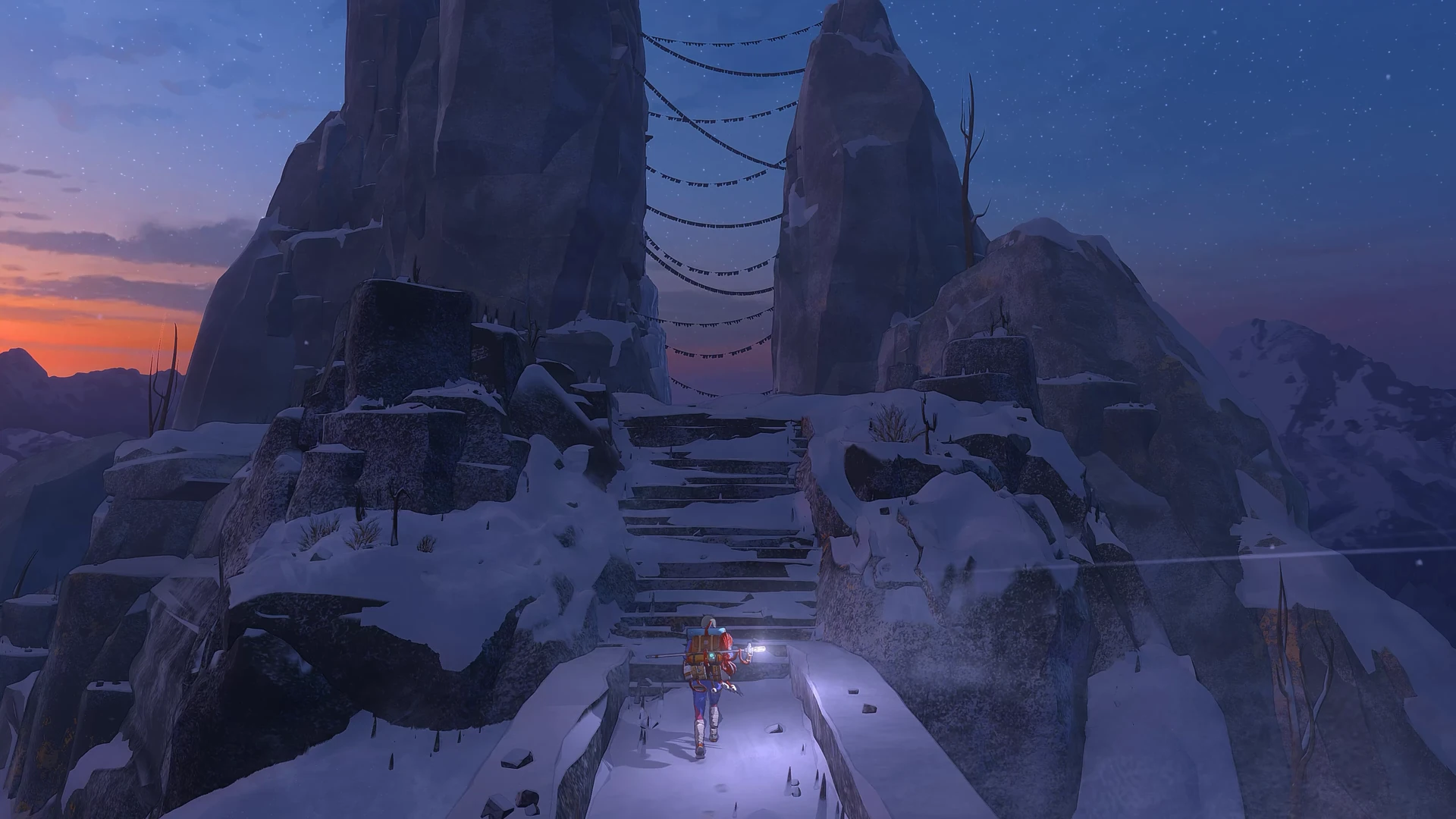
The setting earns similar praise. Players single out the painterly art style, the music and the sound of Aava’s breathing and groans as she strains, and the loneliness of the mountain. One describes watching a distant lodge glow far below throughout the ascent as a reminder of the comfort Aava left behind.
What Holds It Back
The most common complaint concerns control. In the reviewed reports, some players say the automatic limb selection picks the wrong arm or leg at a critical moment, letting go of a secure hold and causing a fall, and the complaint still appears in reviews written months after launch. Others say they rarely fight the system when they climb slowly, and manual selection modes or remapped controls help some players, though others find the manual alternatives awkward, particularly on Steam Deck, where one player says selecting a limb through a submenu breaks the flow.
A related frustration is whether the holds can be trusted. In the reviewed reports, some players say Aava has slipped off while apparently standing on solid footing, and that a fall far from the last piton can erase a long stretch of careful climbing, which stings most on rock too hard to drill. Replies to these complaints point to technique, to sections that are optional and to a setting that shows when a hold is good. One player stuck on such a section adds that the fall rewind rarely catches Aava before she lands.
Some of that frustration starts with how much the game leaves unexplained. In the reviewed reports, some players say Cairn does not make clear what makes a hold or resting position good or how stamina recovers, and one only discovered after losing a permanent piton that it vanishes if it is not screwed in, while another says no one told them they could cook at camp. Others say the climbing becomes fluid once they spend time with it, and one reply recommends turning on limb visibility, good-hold feedback and manual limb selection to make the opening hours easier.
Performance is a narrower but persistent complaint. In the reviewed reports, some PC players, several of them naming recent AMD Radeon graphics cards, say they had to lower the resolution to get stable frame rates, and some who play on Steam Deck describe stutter. Another Deck player says the game works great, and one PC player says capping the frame rate reduced stutter.
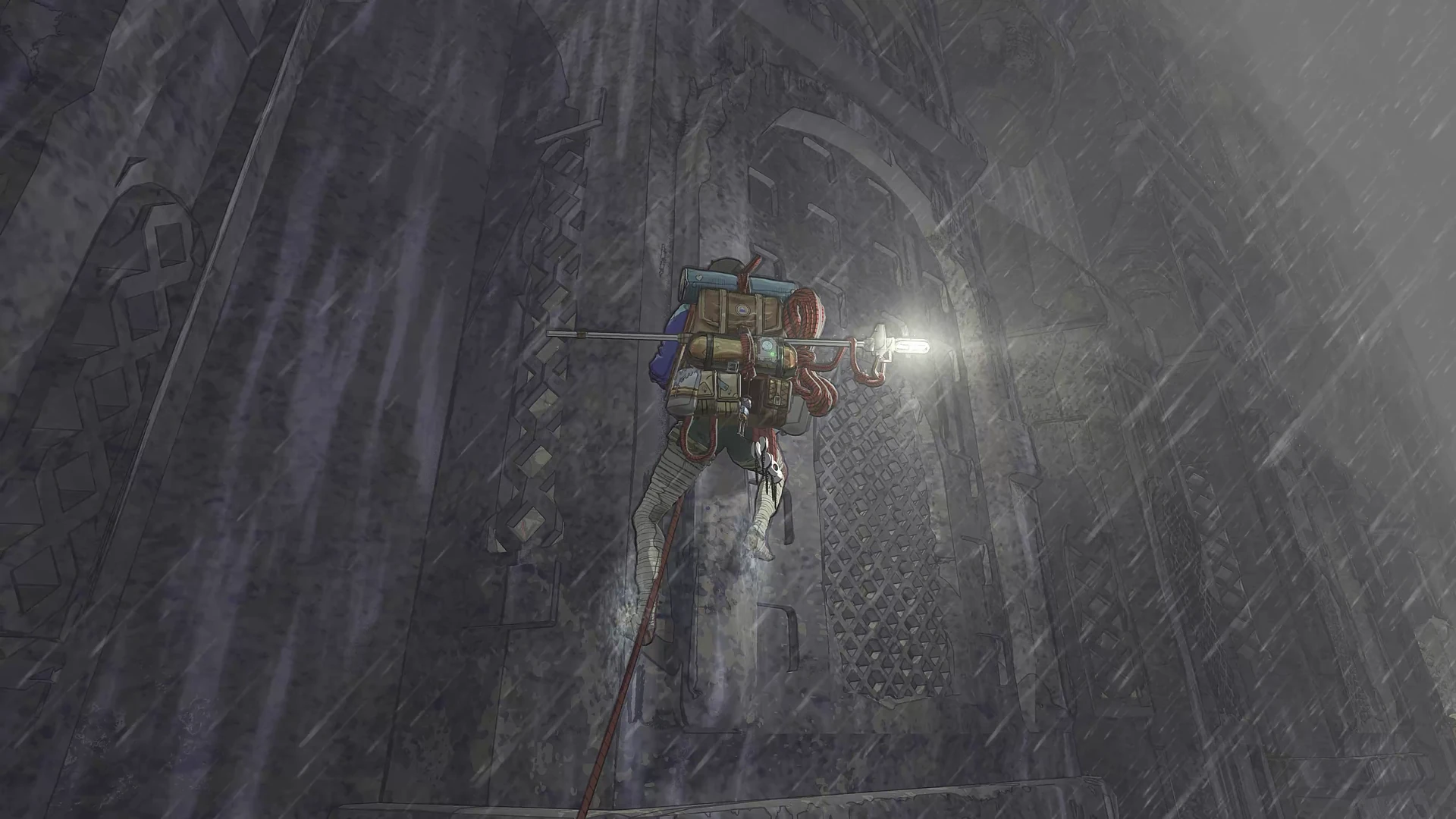
Weather draws a smaller set of complaints. In the reviewed reports, some players say rain arrives so often, or the weather shifts so quickly on a single wall, that it breaks their momentum and makes planning a route hard, and one stopped playing after waiting out storms left Aava starving. Others count the varied weather among the game’s strengths, or reply that climbing in the rain is manageable with chalk on Aava’s hands.
Where Opinions Differ
Survival upkeep divides players. Some find managing food, water and warmth tedious or punishing, especially on the final stretch to the summit, where one player kept blacking out from the cold, while others say it adds tension without taking over the climb. Another player who explored widely had more supplies than they could use and asked for a harsher mode, and replies to the player who kept blacking out say saving food and buffs for the final section got them to the top.
Reactions to Aava and the story differ just as sharply. Some players find her abrasive, including the way she cries out when she falls, and call the ending unsatisfying, while others see a believable, driven mountaineer whose reactions deepen the climb and describe the story and its ending as moving. One reply in these discussions simply asks why a protagonist needs to be likeable.
Who This May Be For
Based on these reports, Cairn may suit players who enjoy slow, deliberate problem-solving and want a climb that asks them to read a wall, plan a route and manage effort. Players who want precise, predictable controls or dislike losing progress after a fall may want to look closely at the control and difficulty options first.
It may also appeal to players who like to wander off the main route, since much of the praise centres on secrets, optional walls and reasons to climb again after the first ascent. Players who have finished the game generally suggest a regular run before attempting Free Solo, since exploring without a rope takes far more time and risk, although one says they completed Free Solo on a first run after several restarts.
Real-world climbing experience is no guarantee either way. In the reviewed reports, players who say they climb appear on both sides: some say Cairn captures how climbing feels and that their experience helped, while others say its resting positions and limb choices clash with what their bodies would do on real rock.
What to Know Before Trying
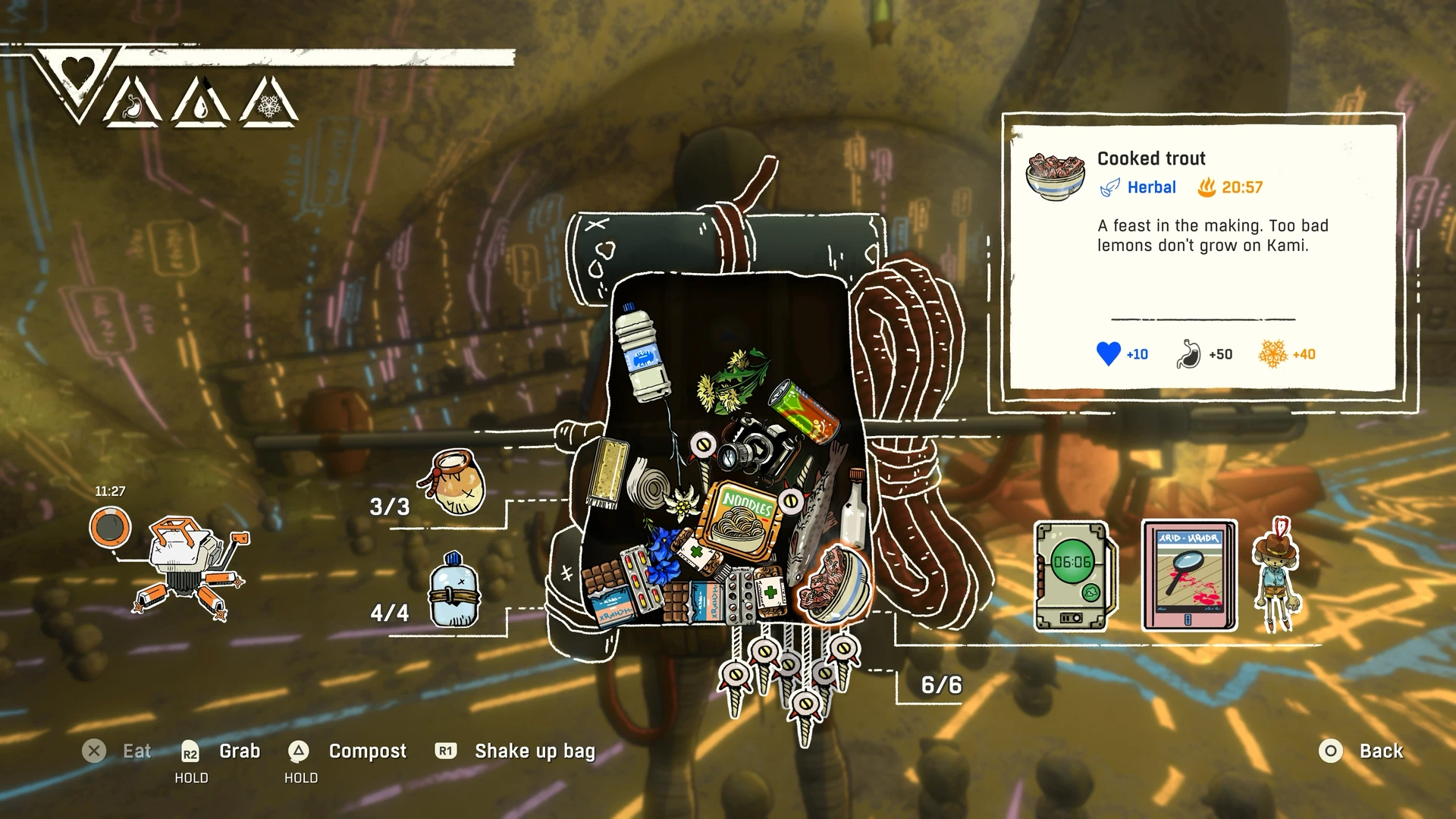
The Game Bakers describes the ascent as a journey of several days in which players can climb anywhere and pick their own route. Backpack space is limited, so players forage for food, look for water, keep warm through rain, snow and cold nights, and decide when to stop and make camp.
Cairn launched on January 29, 2026 on PC and PlayStation 5, and The Game Bakers, which is both developer and publisher, lists it on Steam, PlayStation, GOG and Epic Games Store.
On January 21, 2026, The Game Bakers said Cairn is Steam Deck Verified.
The game has three difficulty levels, Explorer, Alpinist and Free Solo, plus an Assist mode, a Rewind feature for undoing a mistake and full input rebinding. A March 2026 update made the No survival option refill survival gauges and added automatic finger taping and a breathing feedback option that shows Aava’s effort.
Free Solo is the hardest way to play: it removes the rope and pitons for the whole ascent, restarts the climb from the beginning after a death and strips the backpack to the bare minimum.
The free On the Trail: Deep Water DLC adds three new locations, a limited-energy twist for its climbs and Marco as a playable climber, and a free Free Roam update is planned alongside it.