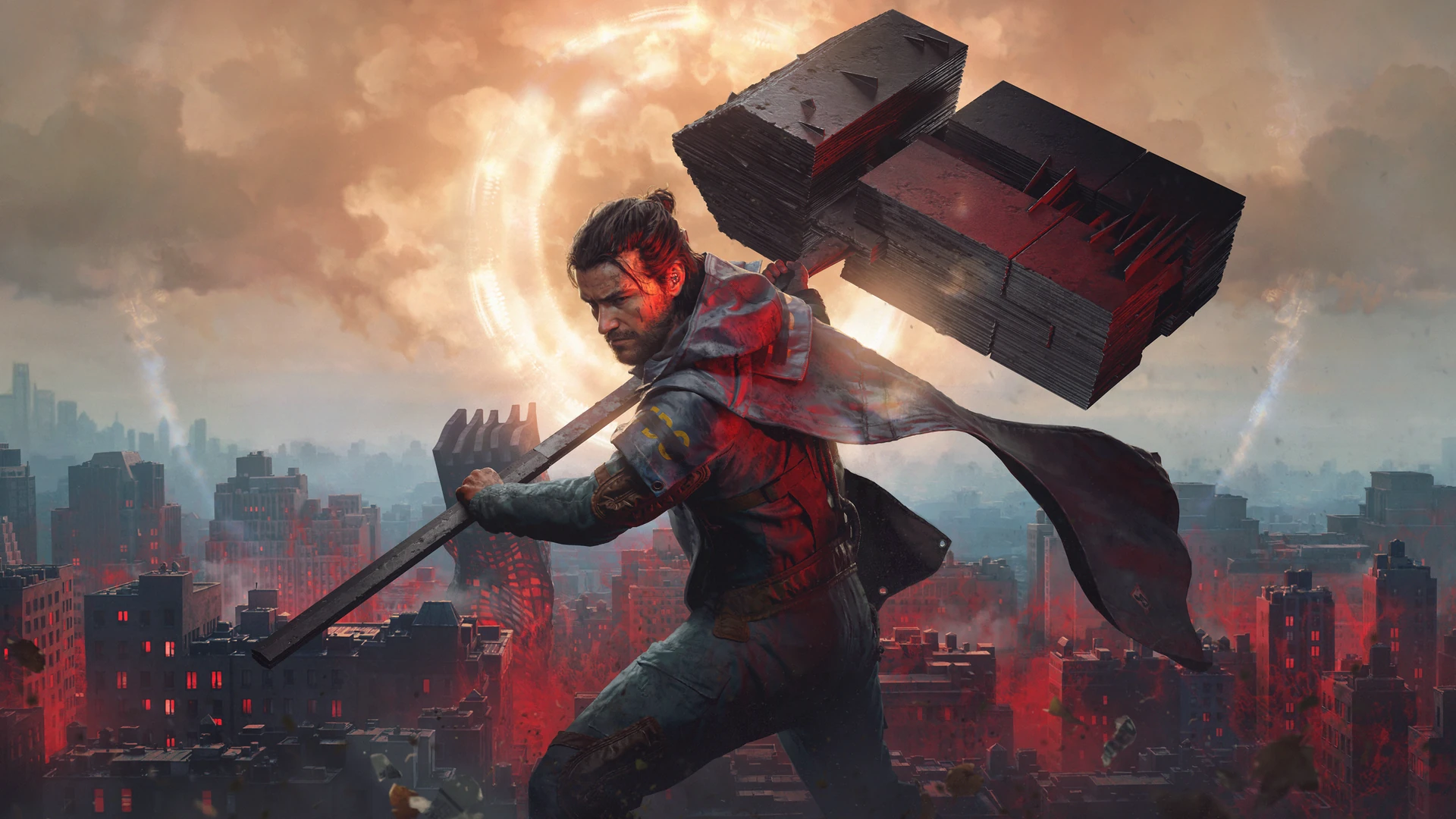
A self-described finisher’s PS5 Pro early access account describes enjoying CONTROL Resonant’s melee combat and traversal while missing some of Jesse’s abilities and adjusting difficulty through Assist Mode; this PS5 Pro early access experience cannot establish how the launch hotfix affected combat.
At a Glance
- Players praise: In the reviewed sample: Surreal world design and traversal, though exploration does not engage everyone.
- Players criticize: Reactions differ: Repetitive encounters and limited-feeling combat options, while other players enjoy the build interactions.
- Players disagree about: Reactions differ on whether the melee emphasis is a welcome evolution of CONTROL.
What Players Like
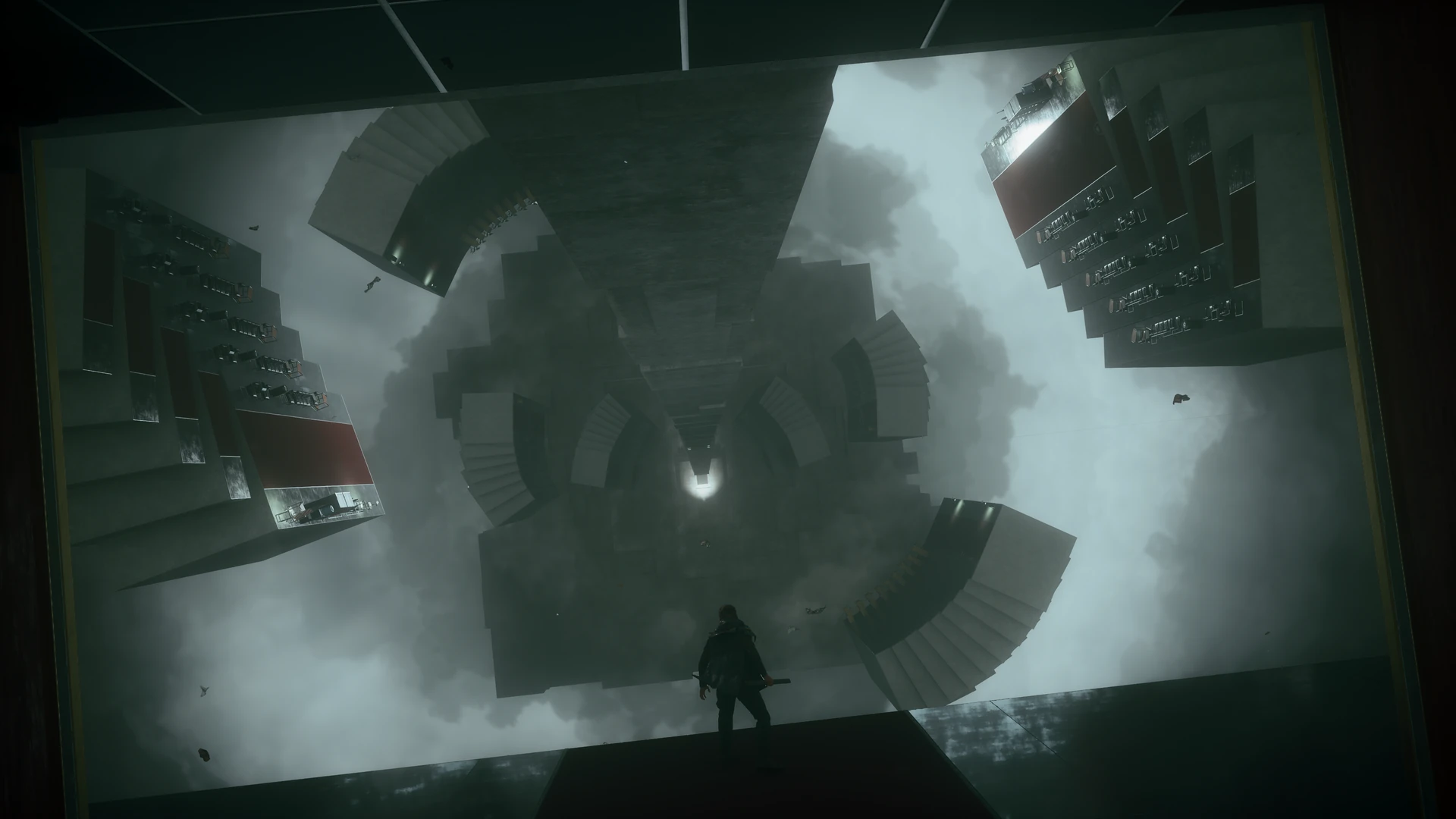
In the reviewed sample, moving through Manhattan is a particular attraction in the accounts reviewed. One player described exploration becoming more enjoyable after unlocking gravity-related movement; another pointed to visual details that made the city feel unusually imaginative. Those responses suggest that the appeal can depend on reaching more of the movement toolkit, rather than judging the whole experience from its opening streets.

Reactions differ. Combat also has defenders who find satisfaction in how its parts fit together. Players describe using stun effects, weapon choices and abilities to create a rhythm beyond repeatedly attacking. One account emphasizes weight and physical spectacle while acknowledging that the available complexity has limits. Enjoying those interactions is not the same as arguing that every encounter demands them. The distinction in these positive accounts is between the individual attack and the sequence a player assembles around it. A stun effect leading into an execution can be satisfying to someone who enjoys setting up that sequence, even if another player sees the same endpoint as familiar.
In the reviewed sample, the expanded world does not produce one consistent response. Some players enjoy exploring, finding side content and acquiring new movement options; others report boredom or miss the original game’s more concentrated appeal. A visually striking location and an enjoyable route through it are related judgments, but they are not identical. This also separates an attraction to the setting from an attraction to exploration itself. The accounts praising visual details tell us what those players enjoyed seeing; the account about unlocked movement tells us what another enjoyed doing. Neither establishes that a striking environment will keep every player interested between encounters.
What Players Dislike
Reactions differ. For some players, the problem is repetition rather than simply difficulty. One early account describes dealing adequate damage but becoming bored with cycling basic attacks into finishers. The criticism concerns the decisions required during a fight, so it cannot be assumed to disappear when enemy health changes. That distinction matters when reading advice about making the fights easier. A complaint that enemies take too long to defeat concerns a different part of combat from a complaint that the available choices feel too familiar. The selected account supports the latter concern without showing how a different setup would change it.
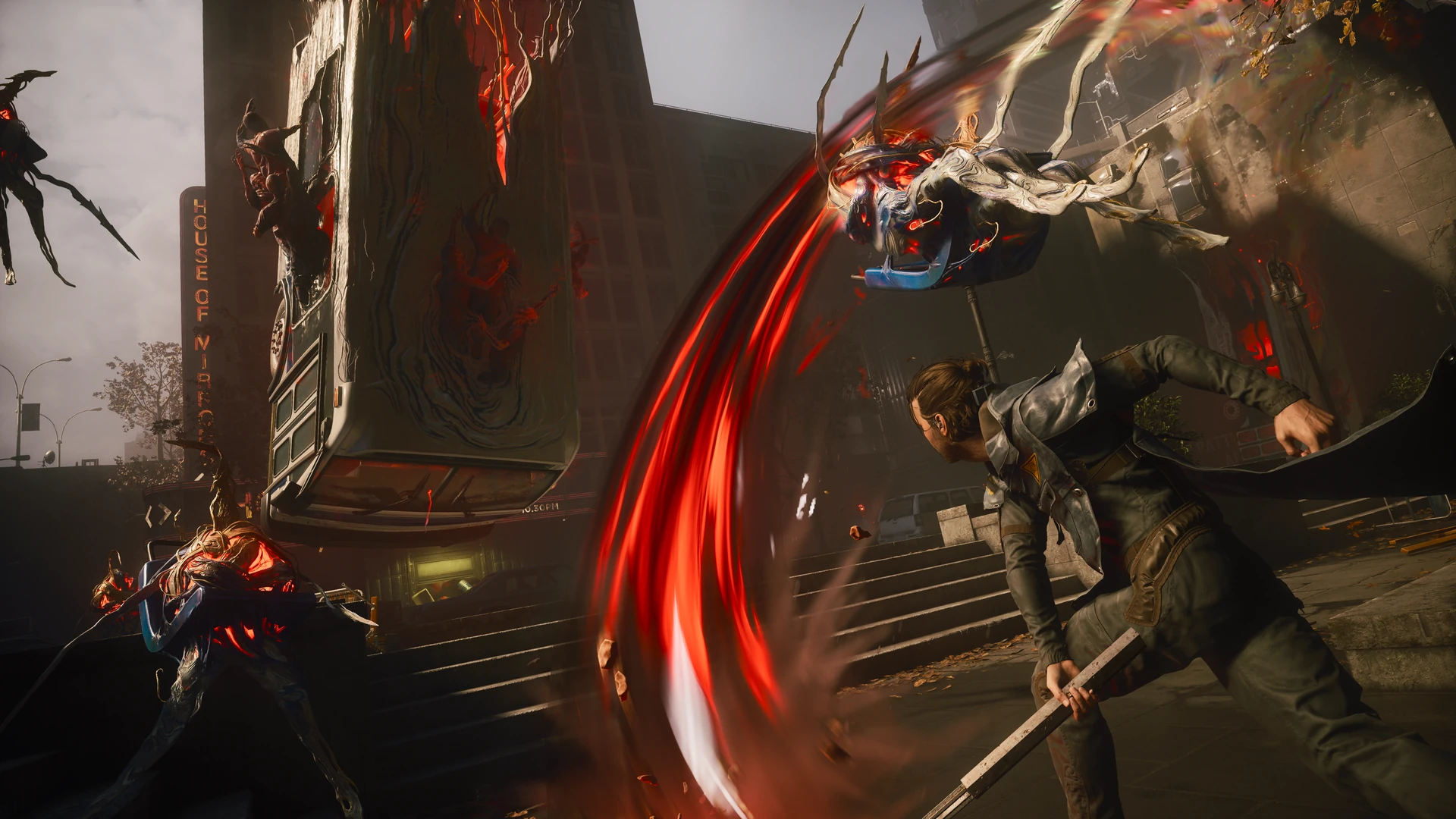
Reactions differ. Other accounts describe combat interrupting what they most want to see: the world, its story and its stranger details. Players can admire the surroundings and still tire of the encounters between destinations. Meanwhile, defenders point to build synergies and progression as reasons the fighting became more engaging for them. These are competing experiences, not a settled account of how the game feels to everyone.
In the reviewed sample, responses to Dylan also differ, with limited independent support for the opposing views. Some accounts find his characterization compelling, while another self-described finisher prefers Jesse and struggles to like the new lead. It would be misleading to turn that disagreement into a verdict about the quality of the story as a whole. Preference for the original protagonist can coexist with enjoyment of the sequel’s world. The self-reported completion gives that particular preference a different play context from an early impression. It does not make the preference representative of finishers, or invalidate a contributor who enjoys Dylan. These remain individual responses to characterization, rather than a measured comparison of the protagonists.
Where Opinions Differ
CONTROL Resonant’s opening days have produced a less settled response to its melee combat. Some players enjoy building momentum through abilities and executions, while others find the encounters repetitive even when they like the spectacle. Early-access accounts, later posts and confirmed experiences on an updated build are not interchangeable. The disagreement is therefore useful as a description of competing priorities. Enjoying the impact and the setup for an execution is compatible with recognizing limits to the moves available. Disliking that repetition is likewise compatible with enjoying the spectacle. The sampled accounts do not establish that one side simply failed to understand the combat, or that more time would necessarily change its view.

Who This May Be For
In the reviewed sample, players drawn to unusual environments and movement-driven exploration may recognize the strongest attractions in the positive accounts. The negative exploration responses mean that this appeal is not assured. A useful question is which part of that exploration sounds appealing: seeing unfamiliar spaces, seeking side content, or using new movement options. The positive accounts value those elements in different ways. Someone interested mainly in the scenery should also consider the criticism of what happens between destinations, rather than treating visual praise as an endorsement of the entire play loop.
Reactions differ. Those who enjoy experimenting with abilities may find the combat more appealing than players primarily looking for a demanding sequence of distinct attacks. Some players enjoy the build interactions, while others find the fighting repetitive. The discussions reviewed give reasons to investigate the melee emphasis, rather than assuming that liking the first CONTROL settles whether the sequel will fit.
What to Learn More About
Remedy announced the worldwide digital launch on September 24, 2026 for PS5, Xbox Series X|S and PC through Steam and Epic Games Store. Its launch announcement also identifies GeForce NOW support and a later Mac release. Remedy developed and published the game, which follows Dylan Faden through an altered Manhattan.
The official Hotfix 1.3.3 notes describe reductions to enemy health and Falter requirements, higher strength ceilings, lower respec costs, more reset items and English interface clarifications. Hotfix 1.3.3 brings documented changes, not proof that player criticism has been resolved. The accounts reviewed do not establish a reliable before-and-after sentiment comparison for Hotfix 1.3.3.
Remedy’s accessibility documentation explains separate adjustments for damage, enemy aggression, Falter and other settings. Its known-issues page also identifies specific technical and quest problems. Those resources are useful for checking a concern against the relevant setup; this article does not supply a platform-wide performance verdict.