
Marvel’s Wolverine is giving launch players a familiar point of agreement and a harder question to settle. The claws can feel satisfying even to people who leave disappointed. Whether that immediate impact carries the adventure depends on what they want around it: more demanding combat decisions, a convincing story, or simply an energetic turn as Logan. In these early PS5 discussions, reactions differ; the sample offers no single community verdict.
At a Glance
- Players praise: Brutal combat feedback and vocal performances.
- Players criticize: Combat repetition and pauses between fights, though reactions differ.
- Players disagree about: Reactions differ on mechanical depth, story and cinematic pacing.
What Players Like
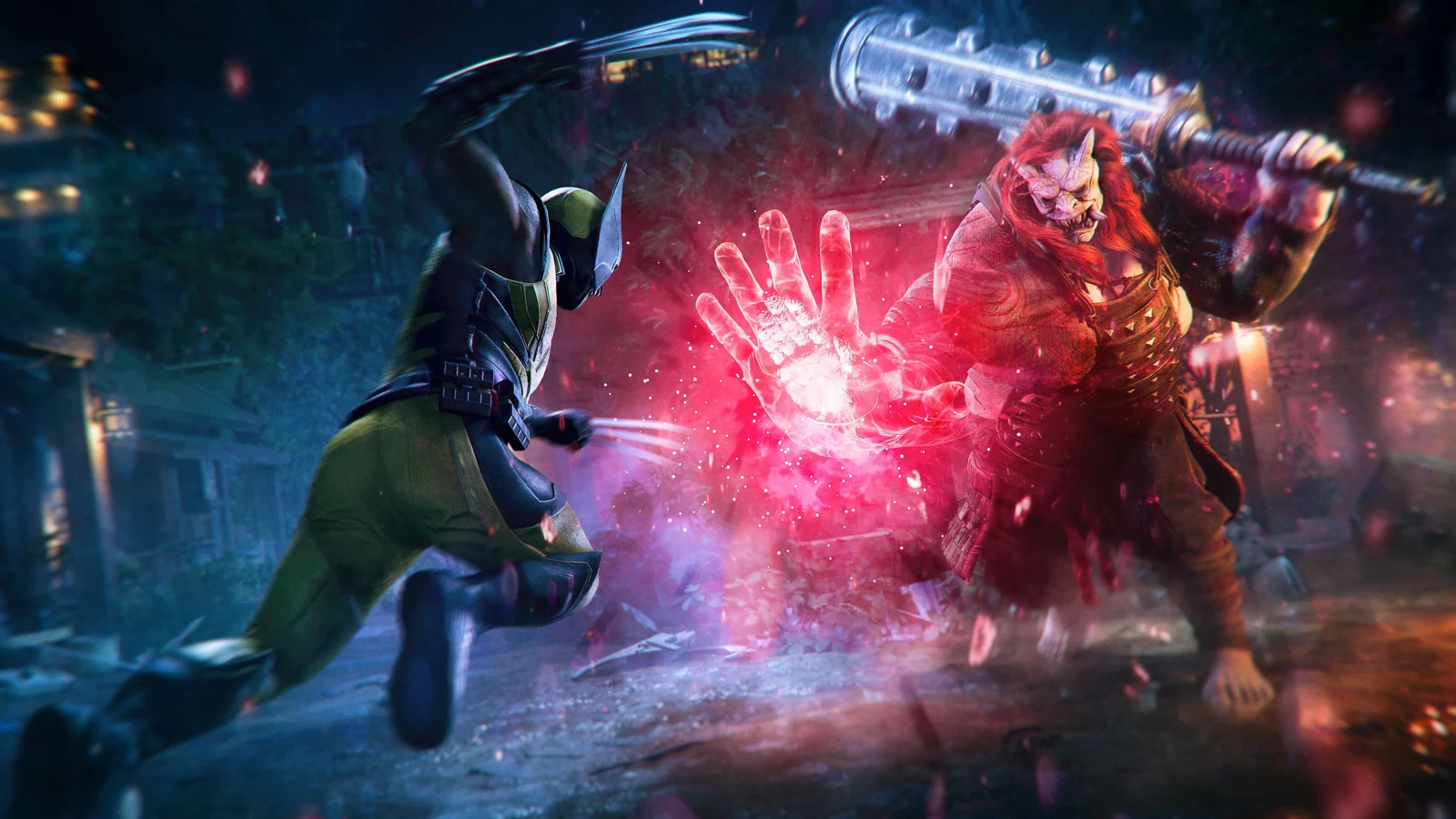
The clearest positive pattern in the discussions reviewed is how combat lands. Players describe enjoying the violence, the physical feedback and the way Logan’s body sells the action. One early player was having fun despite struggling at a boss; elsewhere, visible healing was part of the attraction. Those are reactions to the experience of fighting, not evidence that every encounter or difficulty setting works equally well.
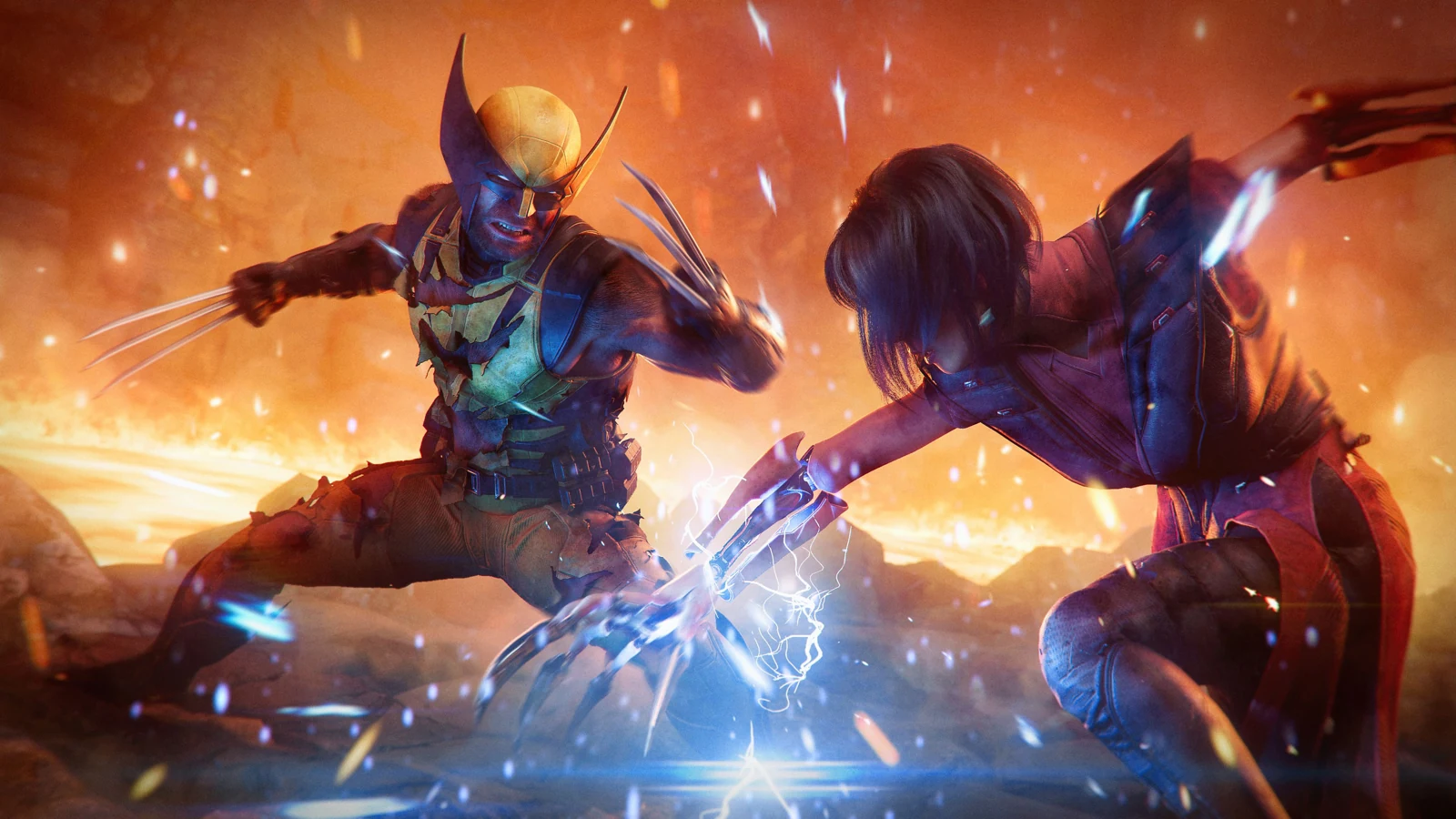
That distinction matters because enjoyment does not neatly predict a player’s final judgment. A satisfying attack can remain satisfying inside an adventure someone otherwise dislikes. For readers, the useful signal is narrower than universal praise: the combat’s immediate presentation is a recurring reason people keep engaging with it. This sample supports that appeal without turning it into a claim that Wolverine has won over everyone who bought it.
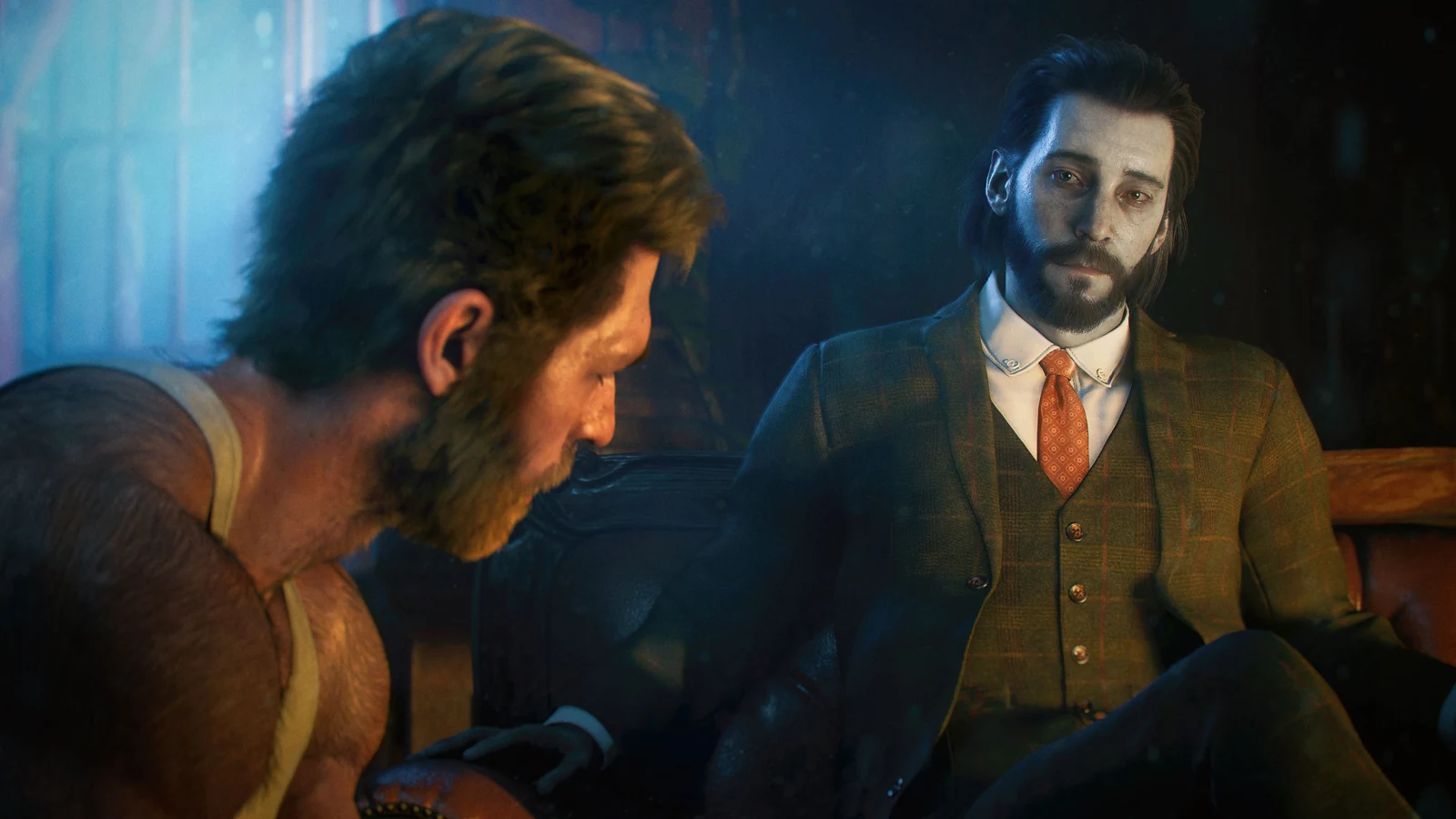
Performances also receive praise across separate discussions, including from players with substantial complaints elsewhere. Logan’s voice is a particular point of appreciation. It is worth separating that response from approval of the script: liking the delivery does not require liking a character decision or where the plot goes. That split helps explain why enthusiastic comments about individual scenes can sit beside a disappointed overall reaction.
What Players Dislike
Reactions differ on what happens after the initial thrill. Some finishers describe a combat system that becomes repetitive without developing the depth they wanted. A player on the highest difficulty singles out waiting for abilities against durable enemies. Another finisher, playing just below that difficulty, enjoyed fighting but wanted more from it. Other players disagree about the available decisions, so these accounts should be read as a recurring criticism within the sample, not an objective ceiling on the system.
The gaps between fights are another friction point. Some completed players dislike being slowed into walking and conversation after action, while other finishers respond positively to the pacing. Reactions differ here even before judging the plot itself. The complaint concerns losing control of the tempo: wanting to get back to the systems that were enjoyable, instead of being carried through another transition. It does not establish that every quiet scene is unwanted, or that a linear adventure necessarily needs an open world.
Where Opinions Differ
Combat depth is the most useful disagreement to unpack. Reactions differ between players who find the available actions sufficient and those who want greater variety. A harder-difficulty account describes positioning, enemy pressure and defensive choices keeping fights interesting. Yet the critical accounts also include high-difficulty play. Raising difficulty therefore cannot be offered as a reliable answer to dissatisfaction. The disagreement is partly about what makes combat meaningful, rather than simply whether a player found it easy.
Story reactions differ just as clearly. Some finishers enjoy this interpretation of familiar characters, while others describe predictable developments or dialogue that never brings them along. Both positions appear in accounts of people who reached the end. That makes it misleading to explain the divide only through incomplete play or prior enthusiasm. With spoilers kept out, the practical question is whether this version of Logan and his companions connects with you; strong delivery alone has not settled that question for the players sampled.

Who This May Be For
Players most interested in the feel of a violent superhero adventure have a concrete reason to look closer: that immediate combat appeal appears repeatedly in the reviewed discussions. This is a conditional fit, not a purchase verdict. Someone who values physical feedback above an expansive set of systems may weigh the same encounters differently from someone looking for a combat game to study over repeated runs. The attraction is real within the sample, but it does not erase the reservations around it.
For players primarily coming for the characters, reactions differ enough to make expectations important. Some completed players enjoyed the interpretation, while others did not connect with the writing. A preference for cinematic superhero stories may be a starting point, but it is not a guarantee of satisfaction. Readers who require the story to carry the whole experience should give that disagreement as much attention as the positive responses.
What to Learn More About
-
Structure: Insomniac’s single-player adventure launched on PS5 on September 15, 2026, published by Sony Interactive Entertainment. PlayStation explicitly describes it as a narrative adventure rather than an open-world game. That distinction is useful when judging expectations about exploration.
-
Optional play: Insomniac lists Nightmare Door challenges, collectibles, adjustable combat loadouts, New Game Plus and Mission Replay. Their presence establishes available activities; it does not settle whether they provide enough variety for a particular player. Nightmare Doors offer combat or traversal challenges, while whisky bottles connect optional collection to Logan’s memories. These are useful details to check if your concern is what sits outside the main story. New Game Plus and Mission Replay also provide ways to return, but their existence should not be confused with a promise of new decisions on each pass. None of these official descriptions measures how long an individual player will stay interested.
-
Settings: Official options include QTE autocomplete, navigation assistance, timing adjustments and combat-speed controls. Check the specific option before treating a clip or another player’s setup as the only possible experience. These options do not establish that every guided sequence can be disabled.
-
PS5 patch context: Insomniac’s September 19, 2026 hotfix 01.001.005 reduces Senses indicator intensity and addresses some launch crashes, with the notes describing optional Senses toggles as under exploration without confirming their delivery or resolution of every concern, so launch accounts should not be treated as controlled evidence of the current patch’s behavior.