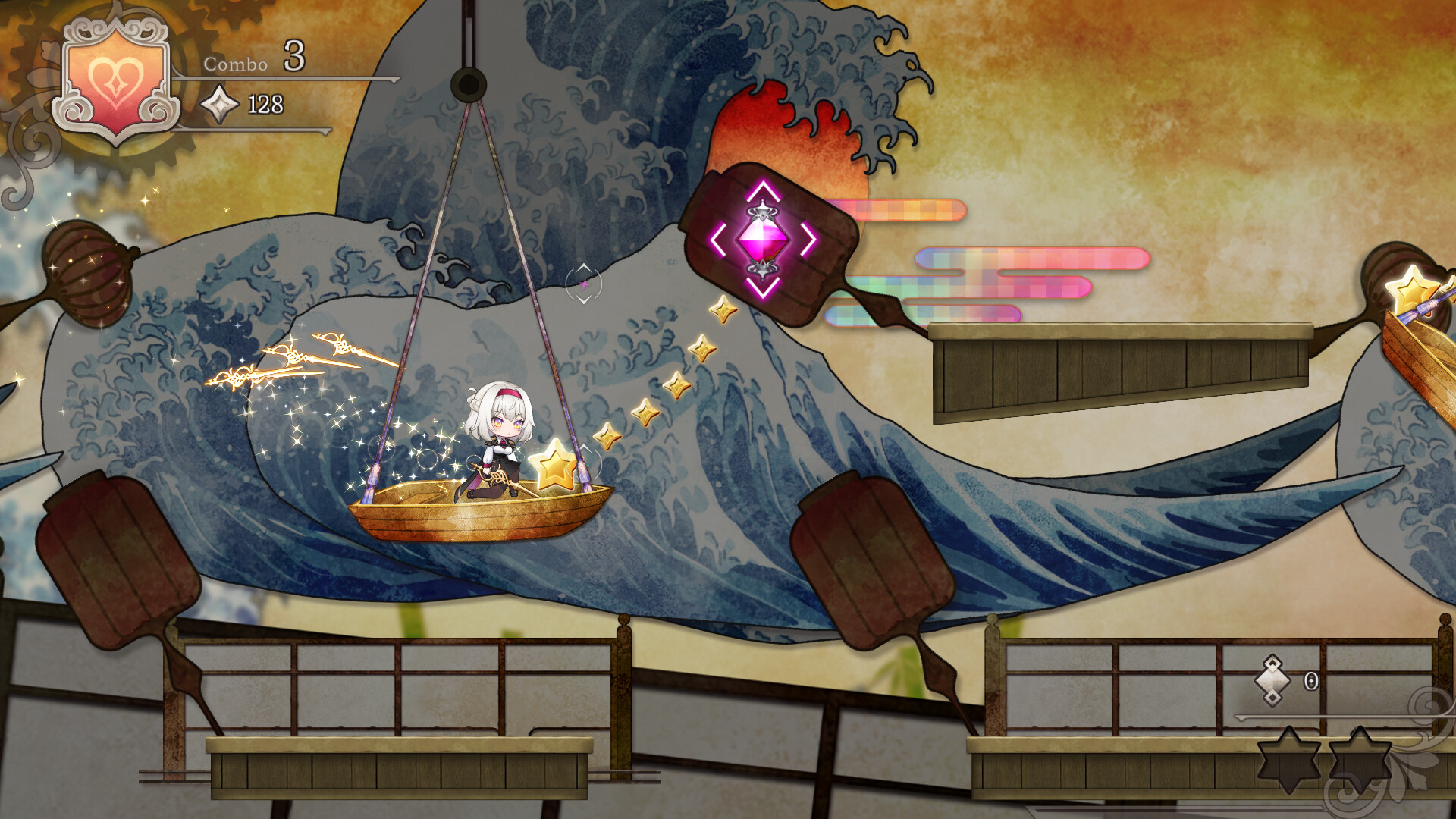
In the PC accounts reviewed here, Nientum – Op.ZERO stands out for the way music, theatrical staging and narrative feel connected, giving readers a reason to discover a story-led rhythm adventure. The qualification in those PC reports is the opening challenge: experienced rhythm players may find initial Story Mode too forgiving, so the appeal depends partly on how much they value musical storytelling alongside demanding inputs.
At a Glance
- Why it is surfacing now: October’s full release completes the main story and expands Free Play, giving newcomers a concrete reason to discover it now.
- Players praise: The reviewed PC accounts repeatedly praise the way music, illustrated stages and emotional storytelling reinforce one another.
- What holds it back: The initial Story Mode can feel too easy for experienced rhythm players in these PC reports, whose early impressions leave later stages outside their scope.
Why Players Are Finding It Now
October’s new release supplies a straightforward reason to look at Nientum now: its main story has reached its conclusion. The official update adds chapters six through ten, develops the presentation of earlier chapters, and expands Free Play to thirty tracks. It also adds Story Mode Hard difficulty with in-game entry conditions, alongside backlog, auto-play and scene-skipping features. These are concrete changes for someone discovering the game after Early Access. A newcomer can consider a complete narrative rather than judge its appeal from an unfinished story, while a returning player has an identifiable set of additions to investigate. That is a stronger basis for this discovery than an unverified claim about how many people have overlooked it. The release creates an occasion to pay attention; the player accounts explain what makes that attention worthwhile.
What Players Like
Across the reviewed PC accounts, the recurring praise goes beyond enjoying the soundtrack in isolation: players describe songs, visual presentation and story as parts of the same emotional experience. For these PC players, the rhythm stages can give the narrative momentum, making particular moments memorable rather than simply occupying the space between conversations. This PC feedback is especially relevant to readers choosing a rhythm adventure partly for its fiction, because the attraction being described is the connection between performing a stage and caring about what unfolds around that performance.
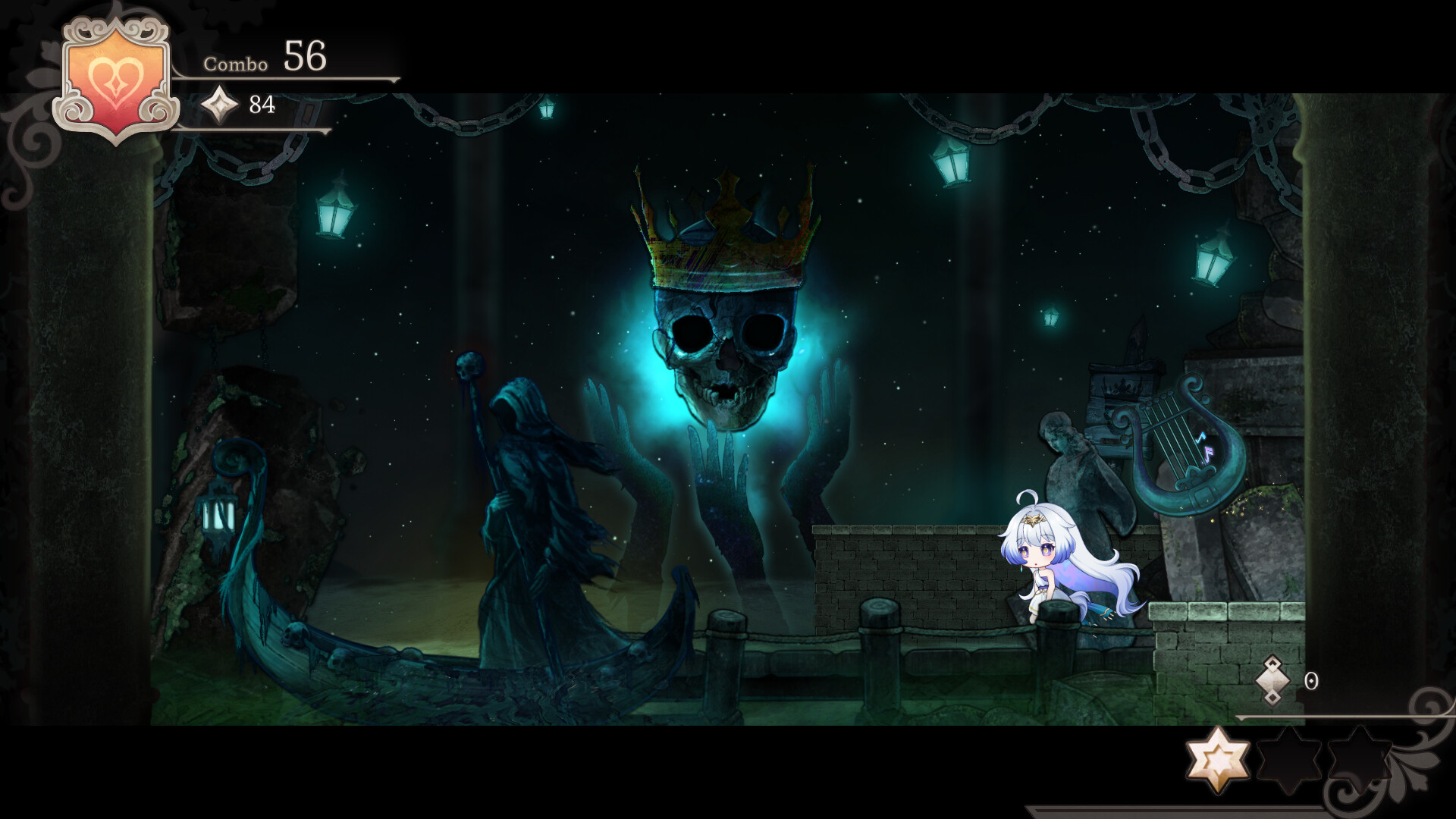
One detailed PC account praises call-and-response patterns and sound effects alongside the illustrations, supplying a specific example of the connection between musical inputs and presentation. Another PC account highlights imaginative stages, spectacle and short narrative interludes, although its early review cannot establish the pacing of the entire campaign. For a reader weighing that PC feedback, the interesting possibility is a stage that becomes part of the attraction, with visual work appreciated alongside the music and rhythm design, rather than artwork serving only as a backdrop for notes.
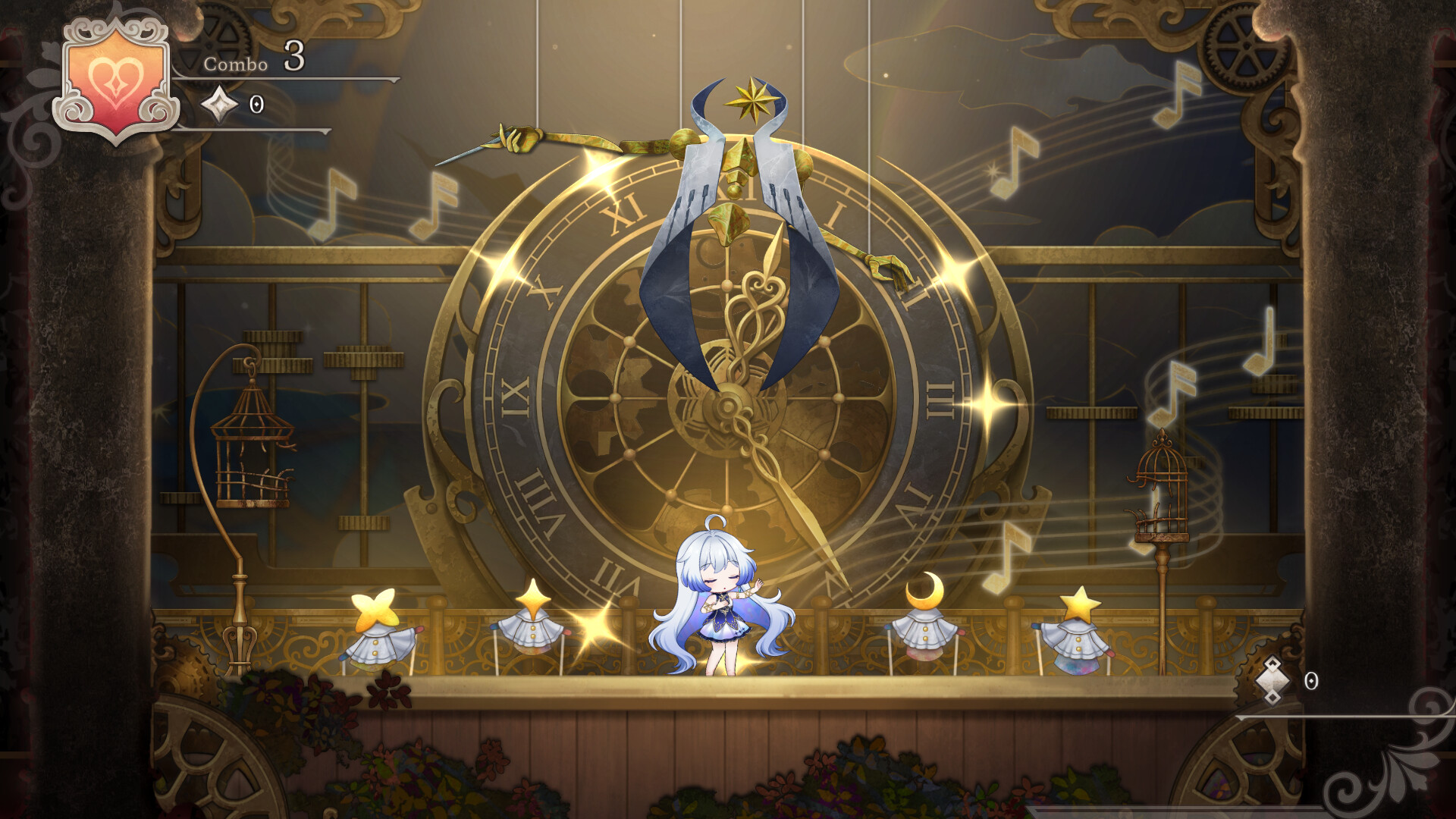
Progression gives the PC praise more context: a player describing later New Game Plus stages finds their design closely connected with the narrative’s rising tension, while a separate PC account reporting completion and all achievements singles out the music and story together. Those PC reports give readers more to consider than an early recommendation, because they describe enjoyment alongside identifiable progress through the experience. The PC evidence supports interest in how the game develops, while leaving each reader’s response to the characters and fiction open rather than promising a particular emotional result.
Free Play has its own support in the PC accounts: a detailed positive review appreciates its tougher charts, while an otherwise sharply critical PC account calls it the enjoyable part of the game. This overlap in PC feedback gives readers a reason to examine the modes separately, because dissatisfaction with early Story Mode can coexist with enjoyment of a different way to play the music. The PC reports establish appreciation for Free Play’s challenge or enjoyment, with much less evidence about the length of engagement a dedicated score chaser might find there.
What Holds It Back
The clearest supported hesitation in the PC accounts concerns the initial challenge, with two distinct players describing early Story Mode as too easy for someone experienced in rhythm games. One of these PC responses is strongly positive overall but still sees room to improve the baseline gameplay, while the other PC response finds little engagement in the story as well as too little resistance in the inputs. That difference in overall enthusiasm does not erase the shared PC concern about the opening, where music and staging may appeal while the play asks less of the player than expected.
The most critical PC account had only 1.5 hours recorded when the review was written, which places its complaint in an early-play context. In that PC account, the description of the highest difficulty is the player’s own wording, with the exact unlocked setting and chapter undocumented. The longer PC account also criticizes the initial challenge before praising later progression, giving a reader seeking immediate difficulty a reason to preserve the opening concern without extending it to every later stage. The PC evidence describes those reported experiences rather than a uniform difficulty level throughout the whole game.
Where Opinions Differ
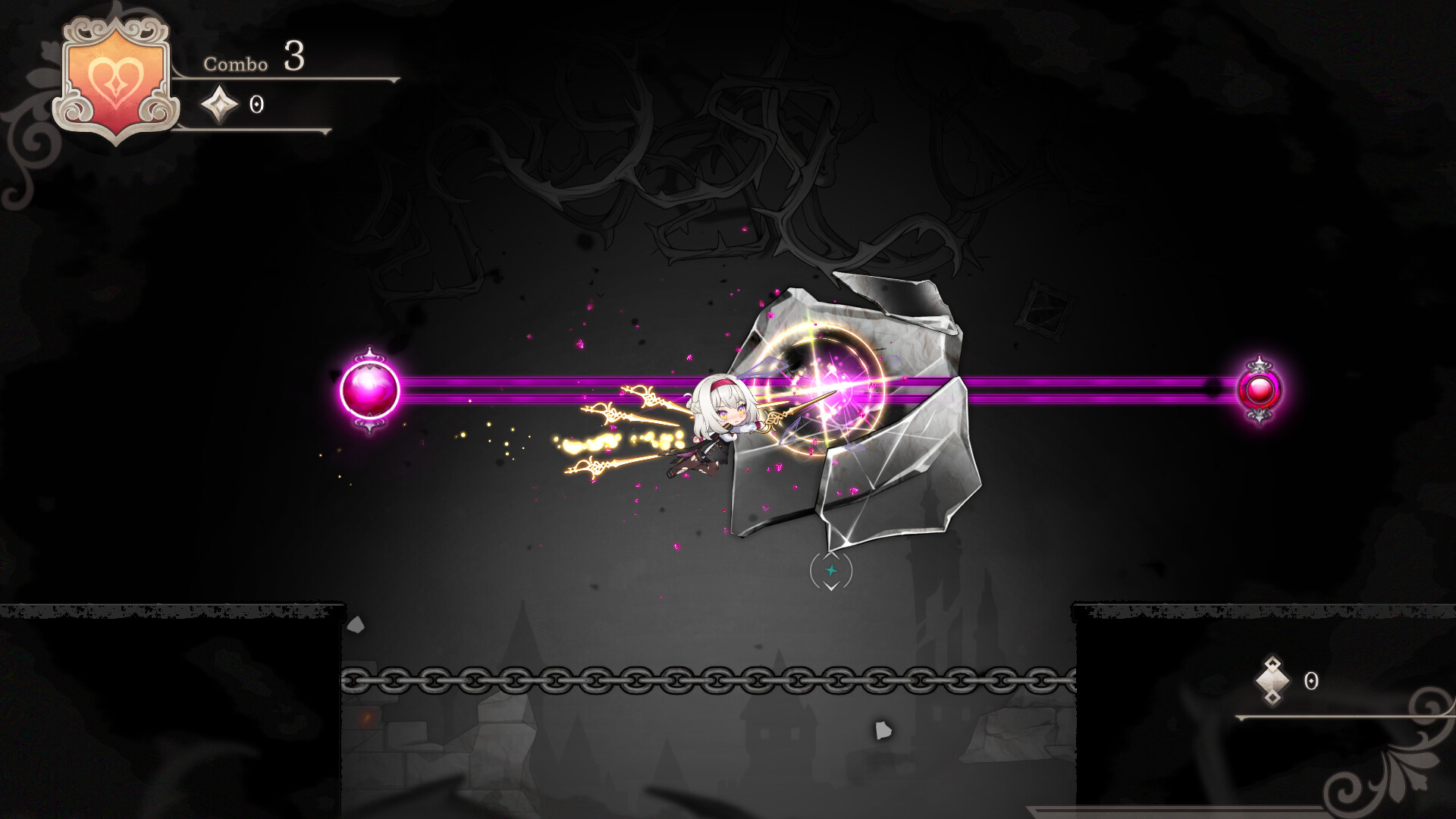
PC experiences differ over whether approachable rhythm play supports the adventure or leaves too little to do: a self-described novice reports completion and praises the story and artwork, while a separate PC completion account describes the rhythm play as accessible and enjoyable. The critical early PC response wants much more challenge and takes little satisfaction from the story, showing a different reaction to what the opening asks of the player. These PC accounts also have different reported progress and priorities, which give the disagreement context without establishing a single cause for the difference in enjoyment.
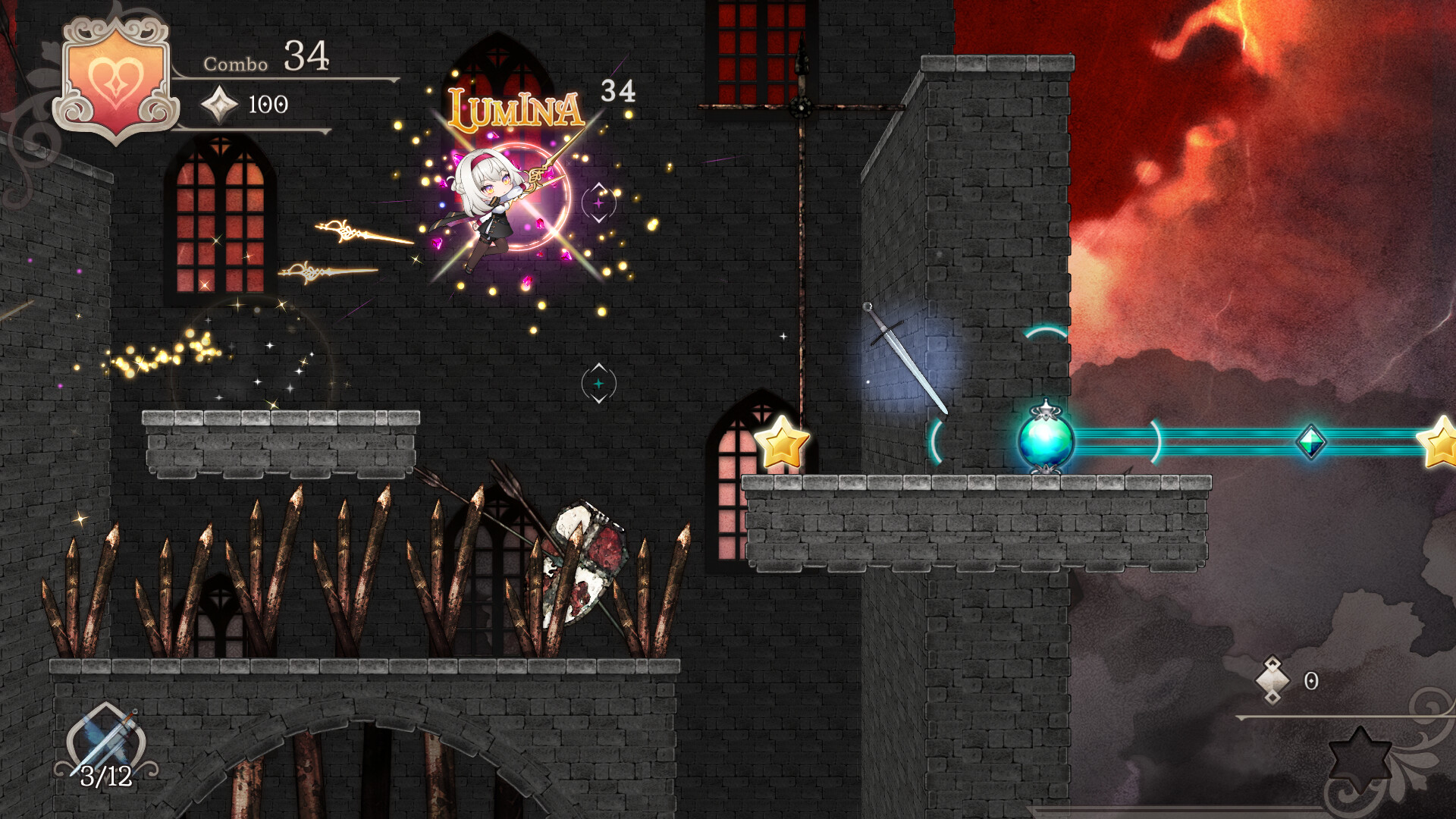
The later-stage PC account complicates a simple division between story fans and rhythm specialists, because PC experiences differ even within that reported playthrough: initial Story Mode offers too little challenge, but later stages connect play with increasing narrative tension. This PC perspective provides a reason to examine progression before reducing the whole game to its opening, while also leaving room for readers who want stronger engagement immediately. A favorable PC report about what comes later adds context, without guaranteeing that a player dissatisfied early will find the journey worthwhile or react to its story in the same way.
Who This May Be For
The PC feedback makes Nientum most interesting for a reader who wants rhythm play to participate in a story, with illustrated scenes, theatrical spectacle and music carrying an emotional arc. Repeated PC praise supports that preference-based fit rather than a recommendation for anyone who happens to enjoy rhythm games, because the detailed PC accounts value what happens when the elements meet. An interest in that combination is therefore a useful starting point for considering the PC experience, while leaving open how appealing the soundtrack, fiction and chart design would be as separate components.
PC players drawn to harder charts have a separate reason to examine Free Play, including support from an account that disliked the early Story Mode experience. That overlap in PC feedback makes the mode worth investigating without promising that it will replace another rhythm game, since the reviewed PC evidence describes particular enjoyment rather than a comprehensive comparison of alternatives. For a reader considering the PC game, musical storytelling and a distinct selection mode can be weighed separately according to preference, with the reported conditions retained when interpreting the enthusiasm.
The PC reports support enjoyment and a step up in challenge in Free Play, but they do not establish the depth of competition, long-term replay habits or a complete difficulty comparison with other rhythm games. Those remain useful questions for a PC reader whose main interest is sustained score improvement, alongside the recurring PC praise for the musical presentation as a connected experience. The strongest supported discovery value in this PC sample lies in that presentation, while Free Play supplies an additional, more narrowly described attraction that deserves assessment on its own terms.
What to Know Before Trying
QueseraGames describes Nientum as a rhythm-based action adventure about Aleph and Liora, performers who have lost their memories. Music tunes the stage as the story progresses, with familiar tales reworked within their performances. That is the official premise. The release-date trailer is also official promotional material, published before the full release. It can illustrate the game’s presentation; it does not independently establish the experience of the current build. The player responses discussed above provide that separate, limited perspective.
The official patch notices reviewed through November 6 cover changes beyond the initial release. They include a checkpoint retry choice, difficulty-setting fixes, subtitle corrections and a cutscene replay fix in version 1.0.16. These are the developer’s descriptions of changes. The selected players do not identify their exact installed builds, so their October and November accounts cannot verify each fix or establish a current failure rate. Checking the latest notices remains useful when a particular setting or story-progression issue would affect your experience.
Before using a difficulty complaint as a guide, the official full-release notice adds an important condition: Story Mode’s Hard setting has requirements that must be checked in game. The announcement does not establish what any selected reviewer had unlocked. Its story convenience features include backlog, auto-play and scene skip. Those options provide practical context for following the narrative; they do not establish how demanding the rhythm stages will feel. A reader can compare the available in-game descriptions with their own priorities, keeping story-presentation preferences and desired chart challenge separate when considering the experience.
Steam lists Windows.