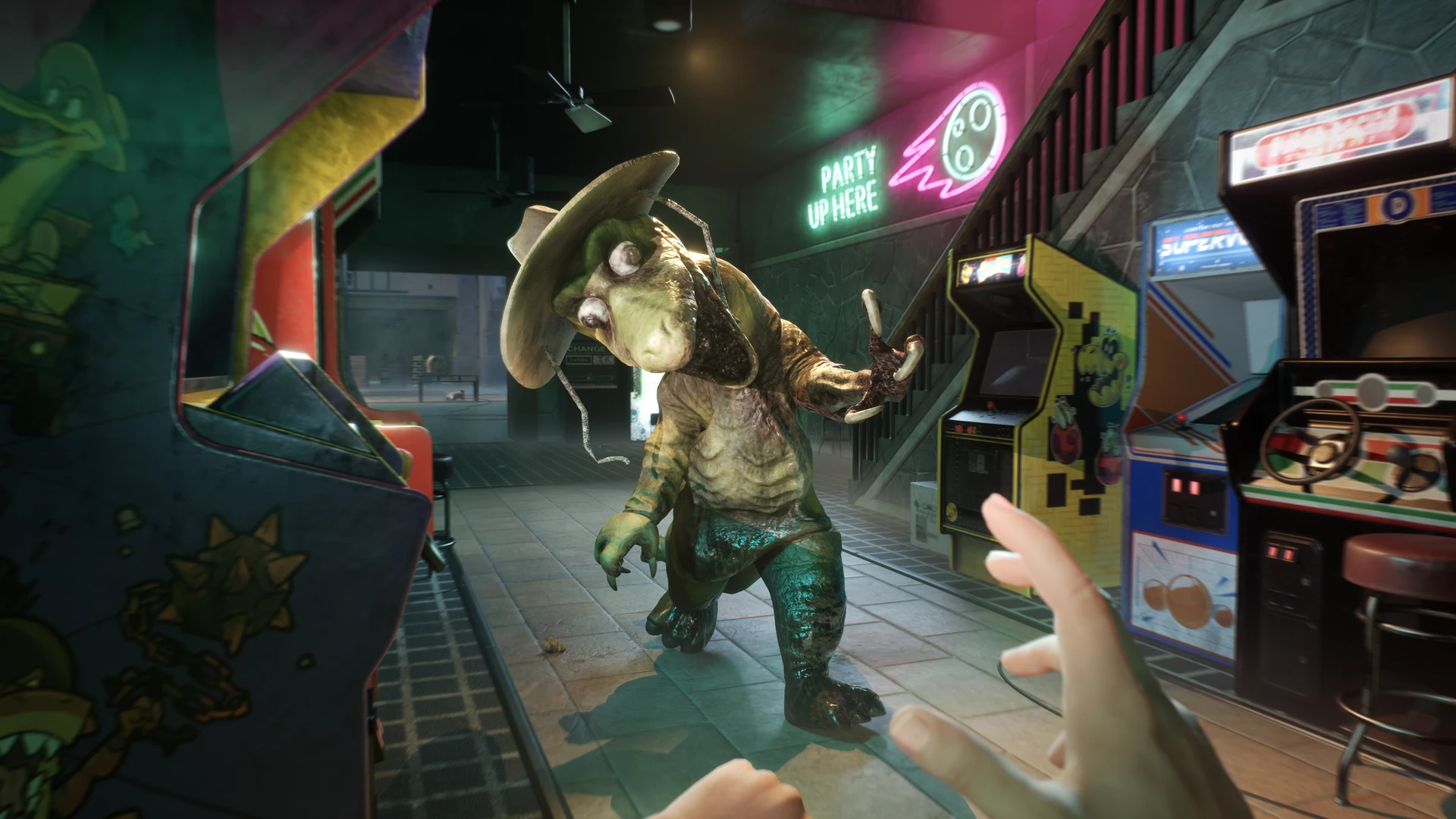
Terrible Lizards gives PC launch players an appealing reason to keep moving: dinosaur chases that turn parkour into the main event. Yet the same PC accounts that celebrate its speed and atmosphere also describe missed grabs, performance drops and stretches that lose momentum, making the central question less whether the idea works than how consistently the adventure can sustain it.
At a Glance
- Players praise: PC launch praise centers on lively parkour, energetic chases and memorable dinosaur designs.
- Players criticize: PC launch complaints focus on inconsistent traversal, later performance drops and repetitive stretches.
- Players disagree about: Some PC accounts find the chase formula exciting, while another finds its threat and repetition less convincing.
What Players Like
The strongest PC praise concerns the act of moving rather than simply reaching the next story beat, with favorable accounts describing parkour as enjoyable and chases as energetic tests of a route. For these PC players, being pursued gives movement an immediate purpose, so the pleasure comes from keeping a sequence going rather than fighting back or waiting for the next scare.
Importantly, enthusiasm in these PC accounts does not require an entirely trouble-free playthrough, because favorable descriptions of exciting chases sit alongside admissions that controls or polish need work. That combination makes the PC praise more specific than a blanket endorsement: the movement can remain the reason to continue even when an individual encounter or landing is frustrating. An updated PC account also reports finishing after an unspecified patch, an encouraging individual change that cannot establish the exact fix or the outcome for other players.
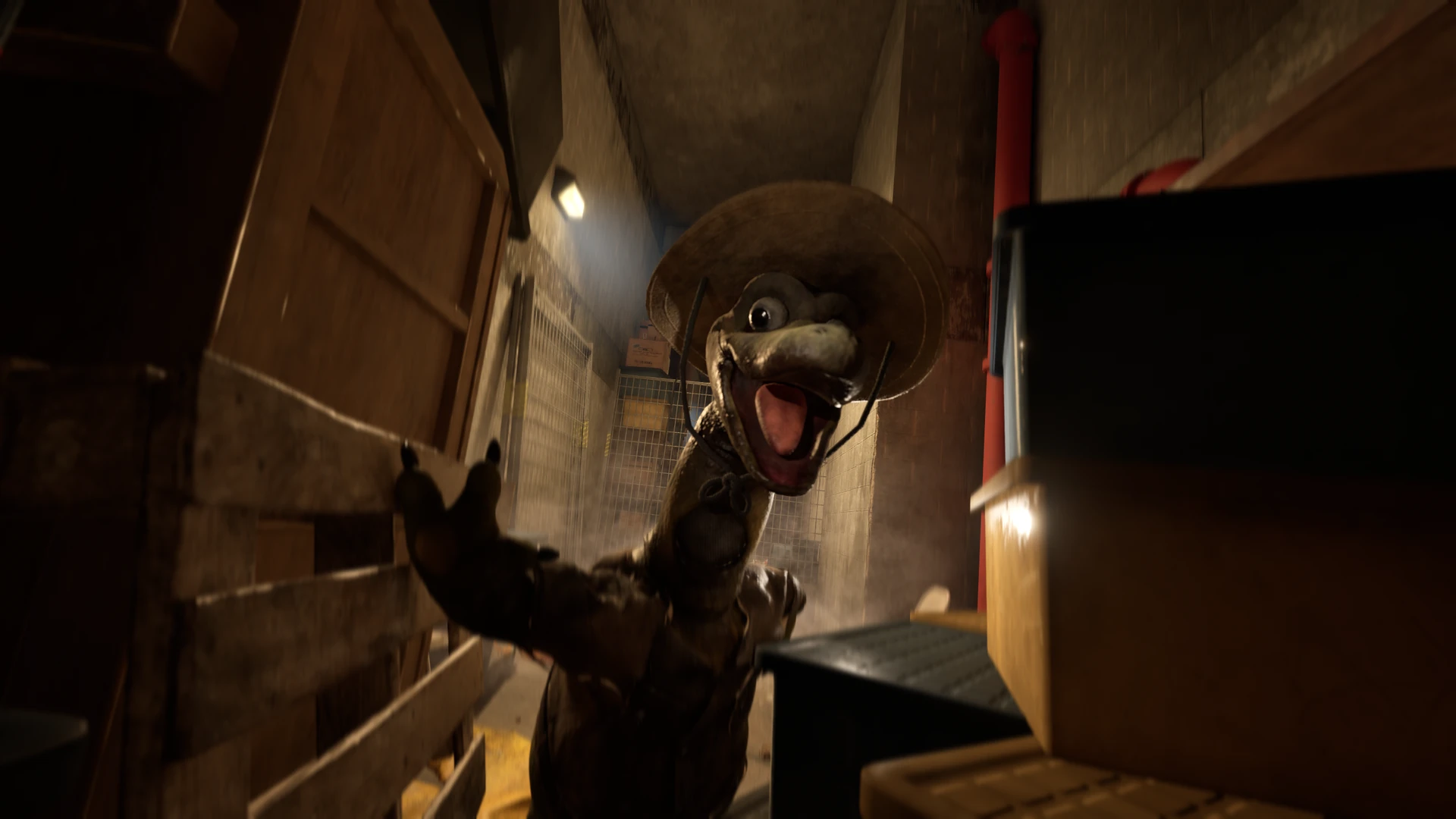
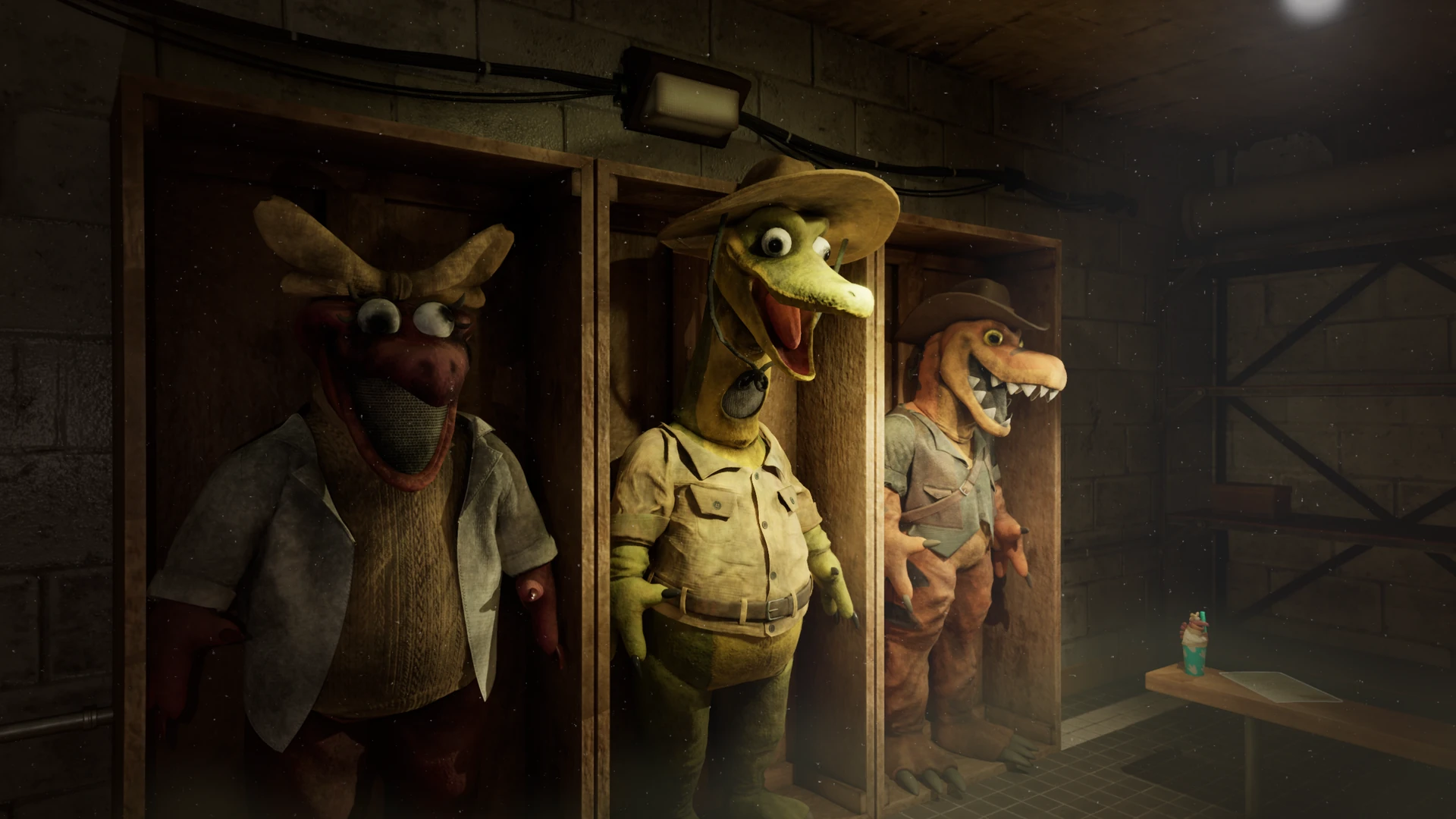
Creature designs and atmosphere also recur in positive PC descriptions, including accounts that ultimately give the game a negative verdict. The distinction matters for PC readers weighing its unusual setting, because an appealing dinosaur attraction and memorable pursuers can leave a strong impression without settling whether the controls, pacing or overall experience meet the same standard.
What Players Dislike
The recurring PC control complaint is a loss of trust in traversal: a jump travels farther than expected, a handhold does not register, or a sequence becomes frustrating as its demands increase. These are reported PC experiences rather than a diagnosis of one shared defect, and even a positive account acknowledges uncertainty over how much execution contributed to a missed landing.
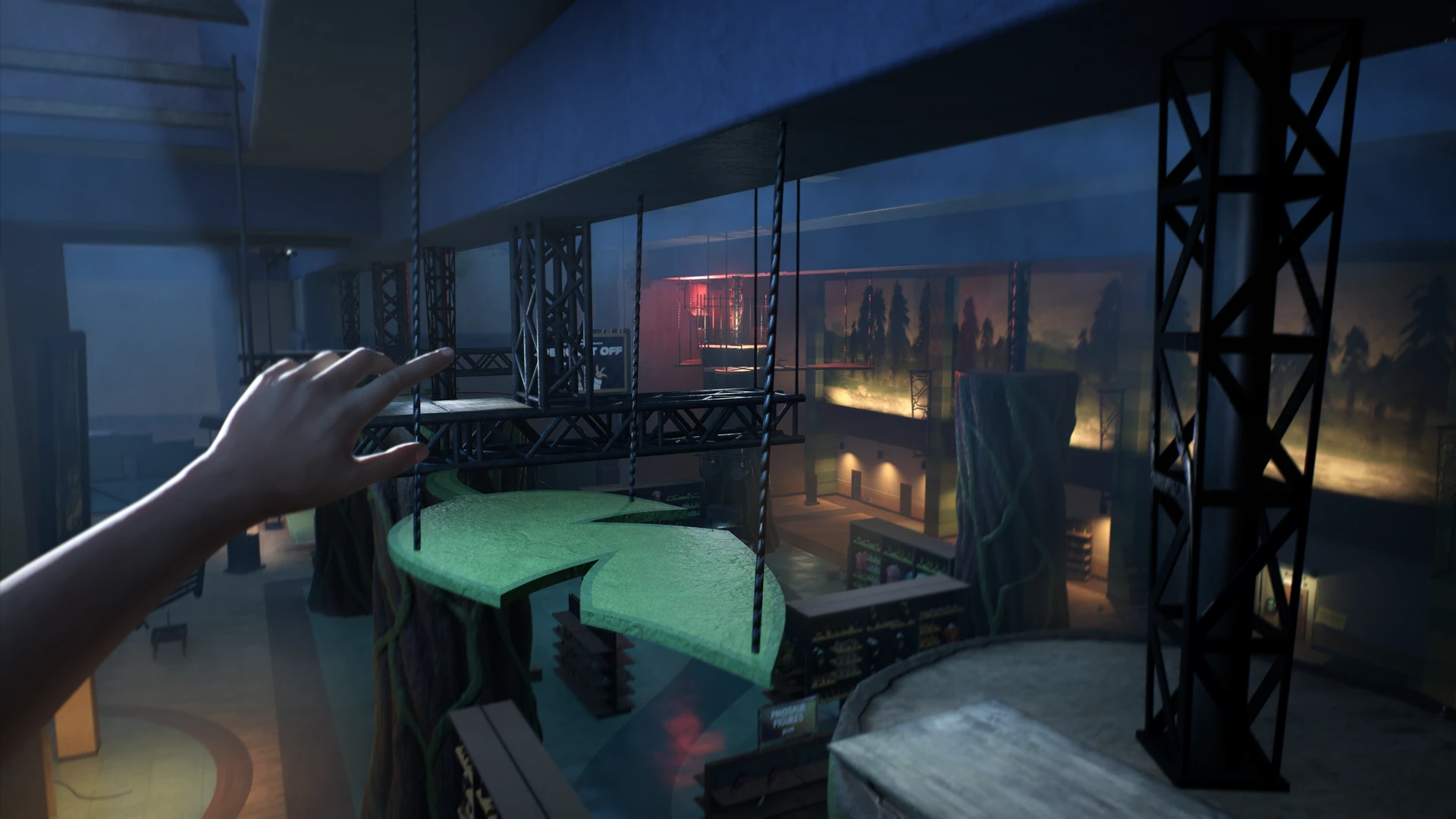
Performance complaints in the reviewed PC launch accounts become especially noticeable during later progression, with players describing reduced settings as the adventure continues. Those PC descriptions establish a practical source of friction for the affected players, but different hardware, settings and unspecified builds prevent them from becoming a reliable frame-rate forecast for another machine or a measurement of how often the problem occurs.
These PC reports also matter because their authors could still identify enjoyable sequences, making a simple playable-or-broken label too blunt for the evidence. In this PC sample, reaching later areas and finding them technically frustrating are compatible outcomes, so a completed playthrough should not automatically be read as proof that performance was comfortable throughout or that the player left graphics settings unchanged.
A separate recurring PC criticism concerns what fills the space between highlights, particularly repeated objectives and the amount of time spent in caves after the museum introduction. For these PC accounts, the issue is not simply that movement exists, but that familiar tasks and surroundings can make further movement feel routine, even when particular chases or parts of the progression still work.
Where Opinions Differ
PC reactions differ on whether the chase-led structure sustains excitement, with some accounts enjoying its urgency while another finds the encounters insufficiently threatening and the formula repetitive. This PC disagreement separates liking a fast movement system from wanting a particular kind of horror, since excitement during a chase and a continuing sense of danger are related pleasures that these accounts do not always value in the same way.
PC reactions differ on story delivery as well, with some accounts enjoying the story or its straightforward progression while another wants more narrative conveyed through dialogue rather than collectible lore. In these PC reports, optional notes can feel like welcome freedom to explore or like material that should have been integrated more directly, and the limited comparison supports a preference difference rather than a claim that one response is the normal outcome.
Who This May Be For
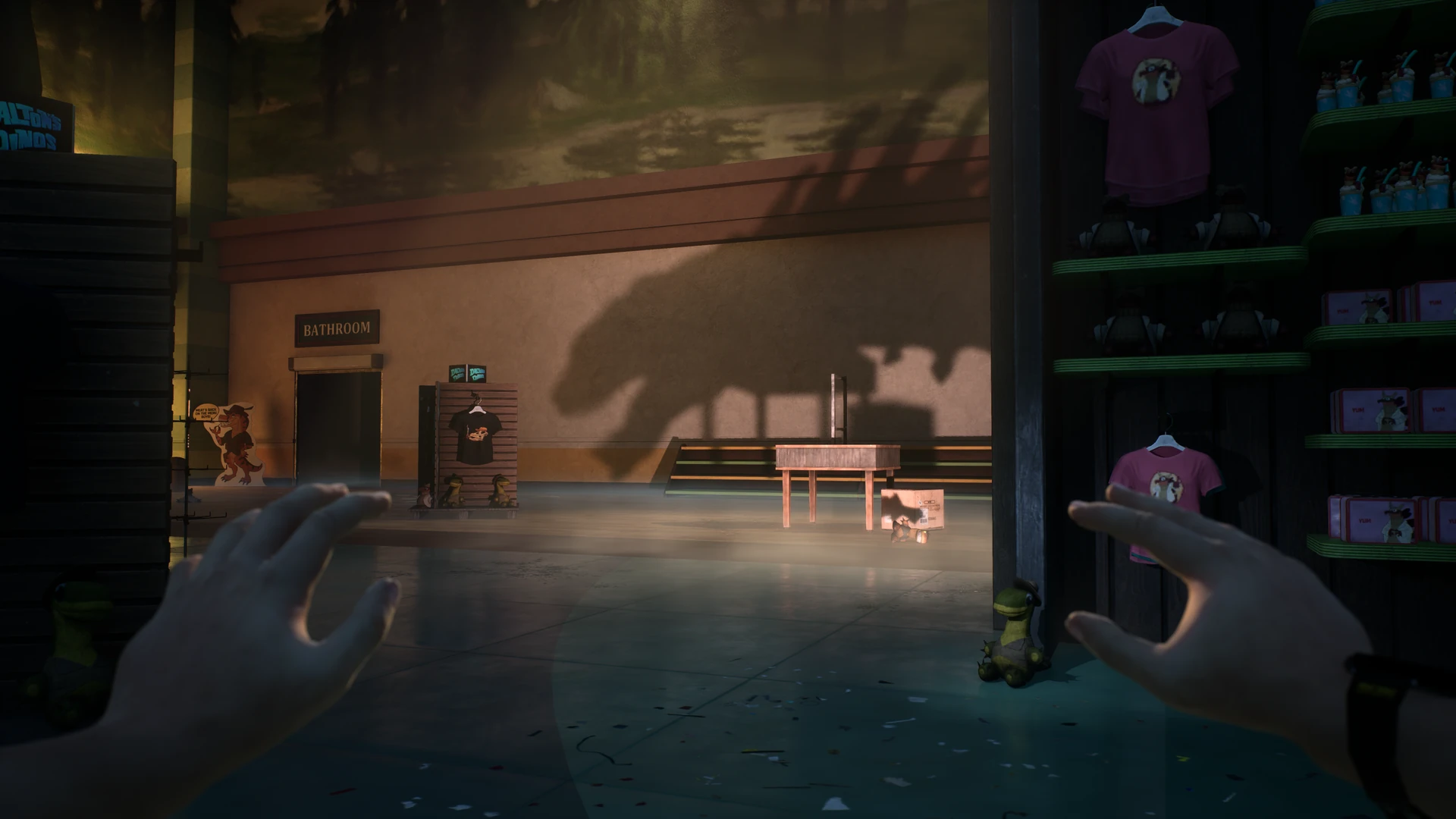
For PC readers who enjoy learning movement routes and being pushed through them by a pursuer, the favorable chase accounts offer the clearest reason to pay attention. That PC fit is conditional on valuing the movement itself, because enjoyment of a memorable chase can coexist with irritation at a missed grab rather than cancelling it out, and the launch evidence does not promise a uniformly polished experience.
For PC readers drawn to creature design and an unusual horror setting, the atmospheric praise also carries weight because it appears in both favorable and dissatisfied accounts. The PC evidence suggests separating that visual appeal from expectations about pacing, so an interest in the dinosaur attraction is a useful starting point for understanding the appeal rather than a sufficient reason to assume the entire adventure will satisfy the same preference.
What to Learn More About
Officially, Terrible Lizards is WDR Studios’ single-player horror parkour game, published by Digital Pajamas and Behaviour Interactive and released on October 29, 2026 for PC, PlayStation 5 and Xbox Series X|S. Its unarmed journey through a roadside dinosaur attraction set in 1992 combines traversal with tapes, notes and recordings, giving the reactions above a specific design context rather than the expectations of a combat-focused survival game.
The developer’s October 30 Patch 1.0.9 and November 1 Patch 1.0.15 notes describe targeted fixes for progression, controls, loading and stability, including subtitle, projector and respawn issues in the later update. These official changes should not be treated as proof that every launch complaint has disappeared, because a list of addressed problems does not establish the experience on each installation or the state of unrelated complaints.
The official launch trailer linked by WDR Studios provides a view of the intended presentation and movement, with the same video identified on YouTube as a collaboration by WDR Studios and JT Music. Promotional footage helps establish the game’s identity, but it should be read separately from independent accounts when judging how consistently those ideas worked during actual play.